



- What is the difference between SEO and PPC? SEO is an organic digital marketing strategy that optimizes website elements to increase search engine rankings without paid placement, while PPC is a paid advertising strategy where marketers pay each time someone clicks on their ads displayed in search results.
- How can SEO and PPC work together effectively? SEO and PPC can be integrated by using PPC to target competitive keywords while building organic rankings, creating remarketing audiences from organic traffic, and dominating search results by appearing in both paid and organic positions simultaneously.
- What are the benefits of combining SEO and PPC data? Combining data from both strategies allows marketers to identify high-converting keywords for cross-channel targeting, test ad copy and landing pages quickly through PPC before applying findings to SEO, and make more informed decisions about overall marketing strategy.
- How can PPC complement SEO during slow periods? PPC provides flexibility to quickly increase advertising budgets during slow sales seasons to compensate for organic traffic fluctuations, or decrease spending during busy periods, allowing businesses to respond rapidly to changes in lead volume and sales.
- What results did companies achieve using integrated SEO and PPC strategies? All Pro Trailer Superstore saw a 600% increase in email leads and 113% increase in organic conversions, while Hydroworx achieved a 236% increase in organic sessions and 131% increase in organic form submissions by combining qualified search term targeting with integrated SEO and PPC approaches.
Can SEO and PPC work together?
Yes, SEO and PPC can work together. For example, you can combine your SEO strategy with PPC remarketing ads to bring your visitors back to your site to complete a purchase.
SEO and paid search are responsible for 68% of website traffic, but should these two tactics be used together?

While both SEO and PPC aim to capture search traffic, marketers often consider them opposites. After all, SEO is organic, with no paid placement involved, while PPC requires you to pay for that prime search real estate.
However, the most thorough digital marketing strategies will involve PPC and SEO marketing working together. Not sure how? Keep reading for eight ways to integrate SEO and PPC in your digital strategy.
- O que é SEO?
- What is PPC?
- Can SEO and PPC Work Together?
- SEO and PPC Case Studies
- All Pro Trailer Superstore
- Hydroworx
- How Do You Integrate PPC and SEO?
- How to Use SEO and PPC Together Successfully
O que é SEO?
SEO is a digital marketing strategy that involves optimizing various elements of a website to increase its rankings in search engine result pages (SERPs). It involves several techniques, like keyword research and targeting, improving page load speed, and building links.
What is PPC?
PPC is a digital advertising strategy that involves implementing ads at the top and bottom of the SERPs and paying each time someone clicks on your ad. Google Ads and Microsoft Ads are two of the most popular PPC platforms.
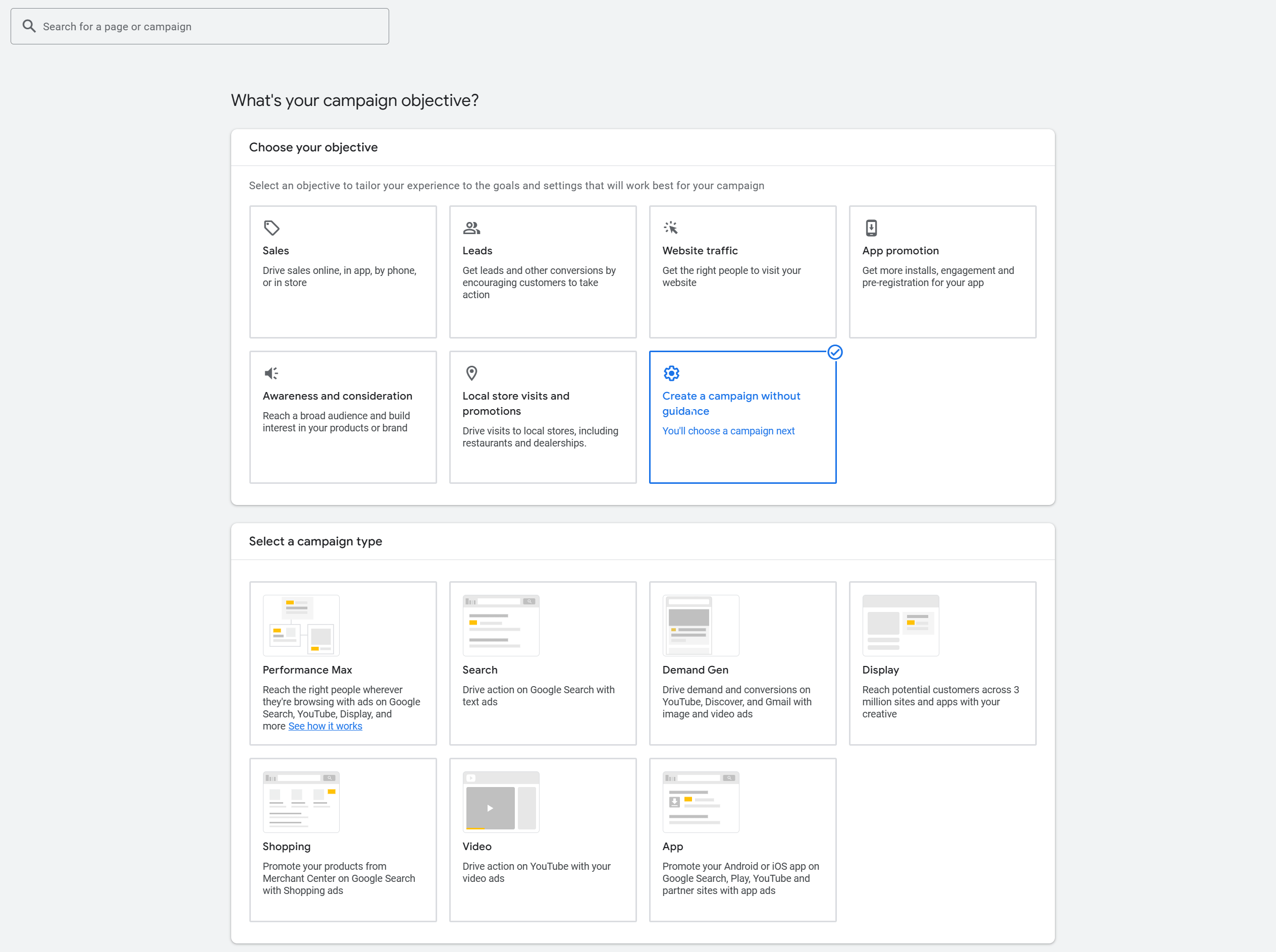 Google Ads campaign creation page
For more insights, explore the latest PPC statistics that provides valuable data and trends in this advertising approach.
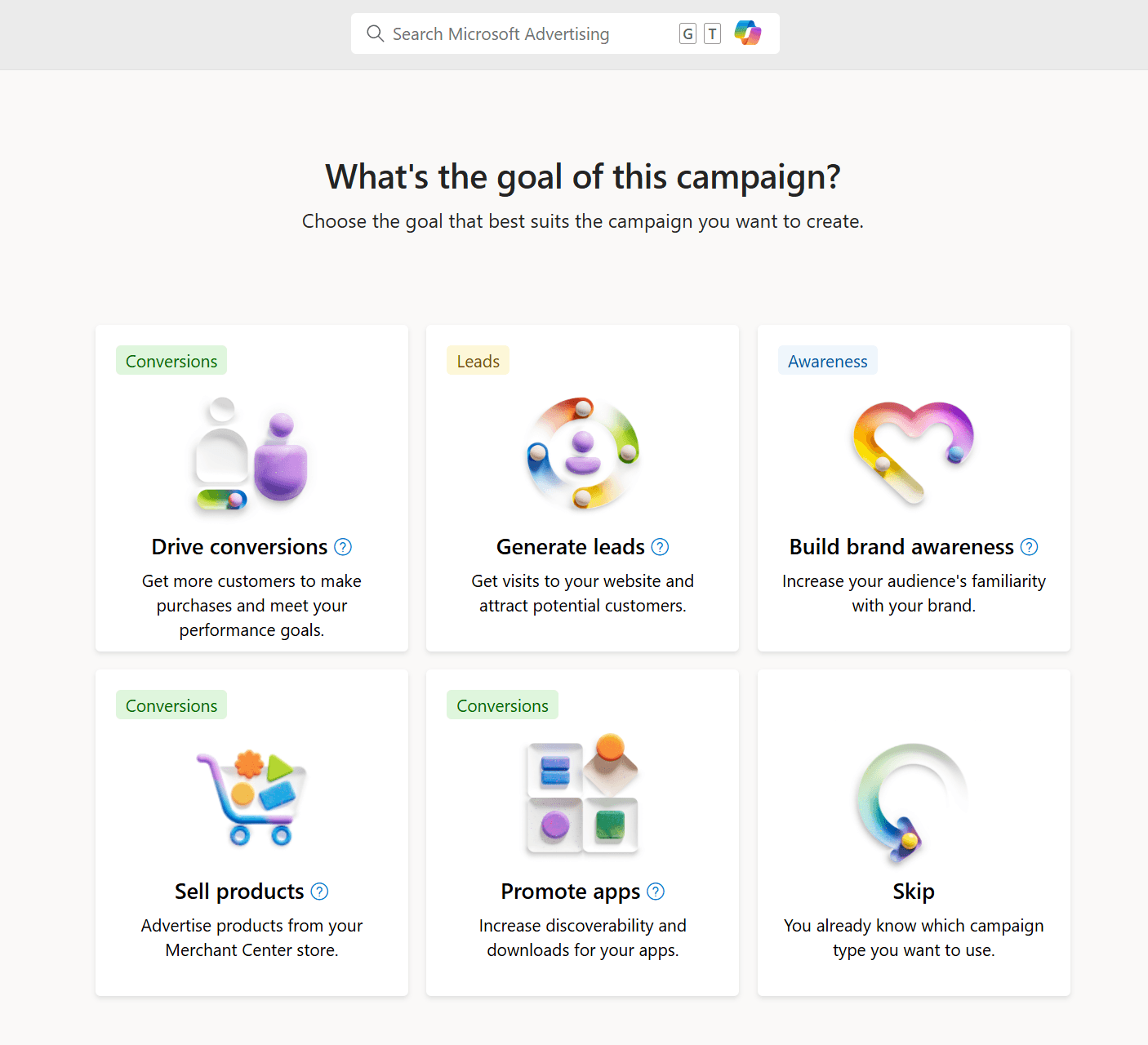 Microsoft Ads campaign creation page
Can SEO and PPC work together?
Yes, SEO and PPC can work together. For example, you can combine your SEO strategy with PPC remarketing ads to bring your visitors back to your site to complete a purchase.
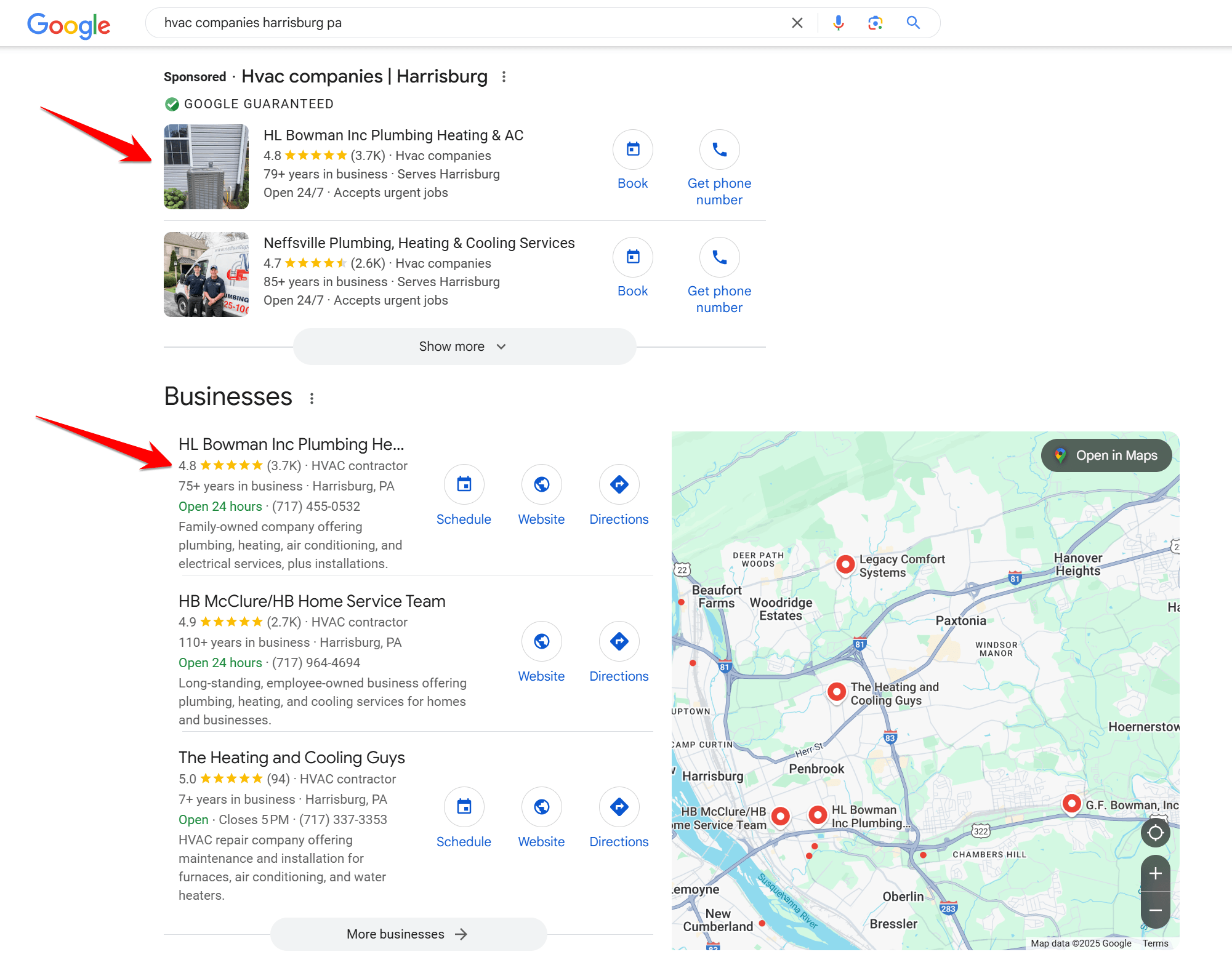
Integrating the two strategies together can help your website completely dominate the search results. An SEO PPC agency can help you integrate these strategies effectively.
SEO and PPC case studies
All Pro Trailer Superstore, a family-owned trailer dealership, and Hydroworx, the manufacturer behind therapy pools used by NASA, both partnered with WebFX to achieve significant growth. All Pro Trailer Superstore aimed to expand its reach and revenue while navigating a rebrand. Hydroworx sought to reach a broader target market, improve organic visibility, and grow organic lead generation.
WebFX developed omnichannel marketing strategies for both companies. For All Pro Trailer Superstore, this included managing social media and email channels, targeting qualified search terms, and launching a supporting PPC campaign. For Hydroworx, the strategy involved targeting qualified search terms and improving on-page optimizations.
Key results included:
-
All Pro Trailer Superstore
- Aumento de 600% nos leads por e-mail
- Aumento de 113% nas conversões orgânicas
- Aumento de 46% no número de usuários orgânicos
- Global business expansion
-
Hydroworx
- Aumento de 236% nas sessões orgânicas
- Aumento de 131% no número de envios de formulários orgânicos
- Gastos de marketing otimizados
By targeting qualified search terms and integrating SEO and PPC strategies, both companies achieved substantial growth and improved lead generation. This demonstrates how PPC and SEO marketing, when combined, can provide a holistic approach to online visibility.
How do you integrate PPC and SEO?
Hearing about PPC and SEO working together in theory is great, but you’re probably wondering how, exactly, you can integrate them into your strategy. Here are eight ways to get these two tactics working like a well-oiled machine:
1. Target more competitive keywords
Ranking organically for competitive keywords can take a while, and strong content may not be enough. For the most competitive keywords, you might need a solid backlink profile, which can take time to build. In the meantime, you can show up for these searches with PPC.
The reverse is also true: As you run your PPC campaigns, you’ll likely come across competitive keywords that cost a significant amount per click. These keywords could be good ones to target in your SEO strategy so that you can spend your PPC budget more efficiently on lower-cost keywords.
Gerador gratuito de palavras-chave


2. Build PPC audiences using organic traffic
The more data you can use to inform your PPC campaigns, the better. And SEO is an excellent way to drive more traffic to your site at a lower cost.
If you have substantial traffic to your site, you can use platforms like Google Analytics to build remarketing audiences for your PPC campaigns.
Depending on the amount of traffic you have, you can create remarketing campaigns for each stage of the buying funnel to nurture more top-of-funnel organic traffic further down the funnel.
3. Collect more data about keyword performance
A solid SEO and PPC integration also means you can better understand which keywords perform best for your business and target accordingly.
If you notice an organic keyword is converting well, that could indicate it’s a valuable PPC target. On the flip side, it might be worthwhile to dedicate a long-term SEO strategy to well-converting paid keywords.
4. Test ads to see what converts
SEO is notorious for taking a while to see results. PPC, on the other hand, can generate data quickly. Use this strength to your advantage by running PPC tests and using the findings in your SEO strategy.
For example, you can test ad copy, calls-to-action, landing pages, and more in a PPC campaign.
With this approach, you don’t have to wait for an organic page to work its way up the search results and generate traffic. Instead, you can collect and apply your findings quicker and optimize your organic pages for conversions sooner rather than later.
5. Maximize your brand’s visibility
Perhaps the most obvious way to use SEO and PPC together is to dominate the search results. For your most lucrative keywords, you might want to show up in a paid search spot and a top organic spot.
This approach can be helpful for branded keywords, especially. You don’t want to lose out on a potential customer because a competitor’s ad is in the paid results when you’re not!
6. Fill gaps in your strategy
A solid SEO and PPC integration also allows you to respond more quickly to sales and lead volume changes.
SEO is a long-term strategy that can fluctuate over time. With PPC, you can quickly increase or decrease your advertising budget to compensate for a slow season or cut back in a busy season.
Need more leads this quarter? No problem — just raise your PPC budget or work with PPC companies. Overwhelmed with sales right now (what a great problem to have!) — conserve some of your PPC budget for a rainier time.
7. Benefit from SEO web design
Many of the best practices for a PPC landing page overlap with SEO best practices. For example, in both SEO and PPC landing pages, you want:
- A pleasant user experience
- Otimização para dispositivos móveis
- Relevant content
While your landing page approach for both tactics will likely not be identical — for example, SEO pages will likely be more content-heavy — an awareness of SEO best practices will help you strengthen your PPC landing pages.
8. Integrate data
If you want to get SEO and PPC working together, you need a thorough data integration strategy. Unified data is vital for making informed decisions about your whole strategy.
Fortunately, many tools make this process easier. For example, you can connect Google Search Console with Google Ads to unify organic search data with your PPC data.
Google Analytics also includes data from both Google Ads and organic search. If you want to integrate ad data from other platforms, UTM parameters can be an excellent solution.
9. Test new products or services
Since PPC can generate results faster, it’s fantastic for testing new products or services. Many brands have used pay-per-click to launch campaigns for theoretical products and then measure the number of sign-ups to determine if the idea has legs.
If it does, businesses can then invest in SEO during product development.
Depending on the product development timeline, the SEO content developed around the new product will likely rank at launch. Companies can further boost launch day sales with PPC ads.
How to use SEO and PPC together successfully
The above explores the ways SEO and PPC can work together to drive revenue. Now, let’s explore how you can use these two digital marketing strategies together at your organization successfully:
- Define a strategy for using SEO and PPC
- Communicate with team members to align campaigns
- Share results to level-up strategies and performance
Maximize your ROI with PPC and SEO working together
While SEO and PPC are robust strategies on their own, they can generate the strongest ROI when you use them together. Partnering with an SEO PPC agency can help maximize your return on investment.
At SEO.com, we offer both SEO and PPC services to help you completely dominate the search results. Contact us today to learn more and get started!
Terceirize seu marketing para os especialistas da WebFX


empresa de marketing digital

empresa de marketing digital


Digital Marketing Strategies Tailored to Your Business
Stop questioning which digital marketing strategies will work for your business. Lean into the experts behind $10 billion+ in revenue for clients via strategies like SEO, PPC, and more!
Digital Marketing Strategies Tailored to Your Business
Stop questioning which digital marketing strategies will work for your business. Lean into the experts behind $10 billion+ in revenue for clients via strategies like SEO, PPC, and more!
Escritores