



- A pesquisa por IA substituiu completamente o Google na fase de descoberta? Não, atualmente apenas cerca de 37% dos usuários iniciam suas pesquisas com ferramentas de IA como o ChatGPT ou o Perplexity, enquanto a maioria ainda usa o Google como principal ponto de entrada para suas pesquisas.
- Por que você ainda deve priorizar as práticas tradicionais de SEO? A maioria dos usuários continua acessando o Google para iniciar pesquisas e, com os resumos gerados por IA agora dominando as páginas de resultados de pesquisa, aparecer tanto nos resultados orgânicos tradicionais quanto nos resumos gerados por IA é fundamental para a visibilidade.
- O que é a otimização de LLM e por que ela é importante? A otimização de LLM envolve táticas como a divulgação de conteúdo, o monitoramento de prompts comuns e a implementação de dados estruturados para garantir que seu conteúdo apareça quando os usuários fizerem pesquisas em plataformas como ChatGPT, Perplexity e Gemini.
- Como você pode acompanhar o desempenho tanto na pesquisa com IA quanto na pesquisa tradicional? Monitore o tráfego orgânico juntamente com métricas específicas de IA, como impressões no Google Search Console, sessões geradas por IA no Google Analytics 4 e ferramentas de rastreamento de prompts, como o OmniSEO, para entender a visibilidade em todos os ambientes de pesquisa.
- Qual é a principal lição a ser aprendida para uma estratégia moderna de SEO? A jornada do comprador se expandiu, em vez de se inverter, exigindo que as marcas otimizem tanto a pesquisa tradicional no Google quanto as plataformas emergentes de IA para maximizar a visibilidade onde quer que os clientes em potencial iniciem sua pesquisa.
Recentemente, tem havido debates sobre se ferramentas de IA como o ChatGPT e o Perplexity transformaram radicalmente a jornada do cliente, com alguns especialistas em SEO acreditando que cada vez mais pessoas estão usando a IA para a descoberta e pesquisas na parte inicial do funil, e recorrendo ao Google para a validação na fase final. Se isso for verdade, representa uma inversão completa do comportamento tradicional de pesquisa.
Mas antes de reformular toda a sua estratégia digital, vamos analisar o que esses dados realmente significam e se a jornada do comprador realmente mudou.
- A pesquisa com IA está superando a pesquisa do Google na fase de descoberta?
- O que isso significa para a sua estratégia de SEO?
- Crie uma estratégia de SEO baseada em IA para plataformas LLM
- Como monitorar o sucesso na era da pesquisa com IA?
A pesquisa com IA está superando a pesquisa do Google na fase de descoberta?
Embora o uso de ferramentas de IA esteja, inegavelmente, aumentando, a ideia de uma jornada do comprador totalmente “invertida” não se coaduna com os dados gerais de uso.
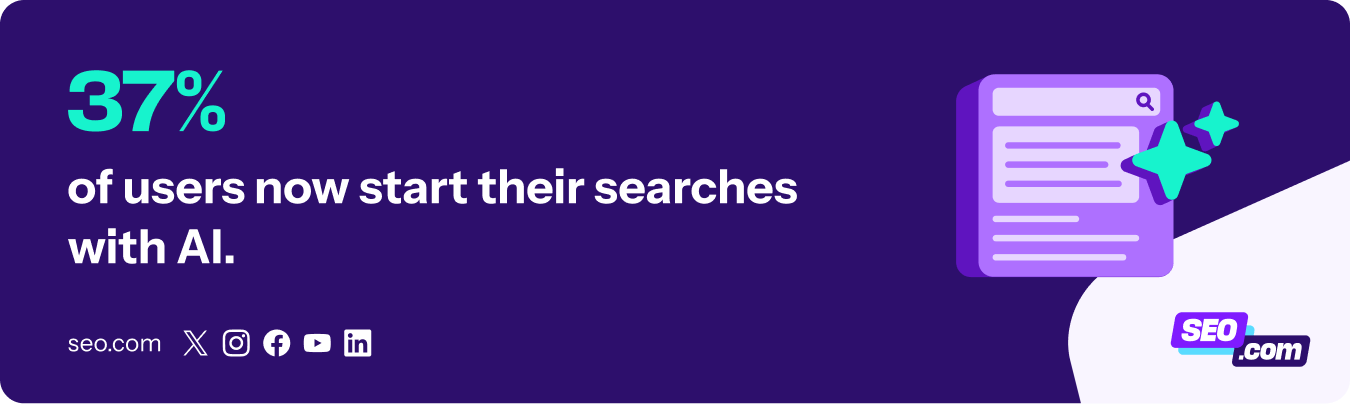
Estamos observando claramente que cada vez mais usuários incorporam a IA em suas jornadas de compra, com cerca de 37% deles começando agora suas pesquisas com a IA. No entanto, neste momento, isso representa cerca de um terço dos usuários, sendo que a maioria ainda utiliza o Google como seu primeiro ponto de pesquisa.
Embora a IA faça cada vez mais parte do conjunto de ferramentas de descoberta, o Google continua sendo a força dominante em todo o funil.
O que isso significa para a sua estratégia de SEO?
Mesmo que os usuários não estejam abandonando completamente a pesquisa tradicional do Google, eles estão cada vez mais recorrendo à IA para iniciar e facilitar suas pesquisas; e, no futuro, quem sabe se veremos a maioria dos usuários adotando o uso da IA na fase de descoberta.
É por isso que é essencial garantir que sua estratégia de SEO leve em conta tanto as buscas tradicionais no Google quanto as buscas por IA. Sua abordagem deve considerar que os usuários podem encontrá-lo em diversos ambientes, e não apenas em um.
Não deixe de lado as melhores práticas tradicionais de SEO
Ainda vemos que a maioria dos usuários acessa o Google para iniciar suas pesquisas; portanto, é absolutamente necessário implementar os princípios básicos de SEO para garantir que os usuários do Google possam encontrar sua empresa e seu site.
Mas há uma nuance importante: como os resumos gerados por IA agora dominam as páginas de resultados de pesquisa, muitos usuários estão consumindo informações diretamente nos resumos gerados por IA do Google, em vez de clicar nos resultados orgânicos.
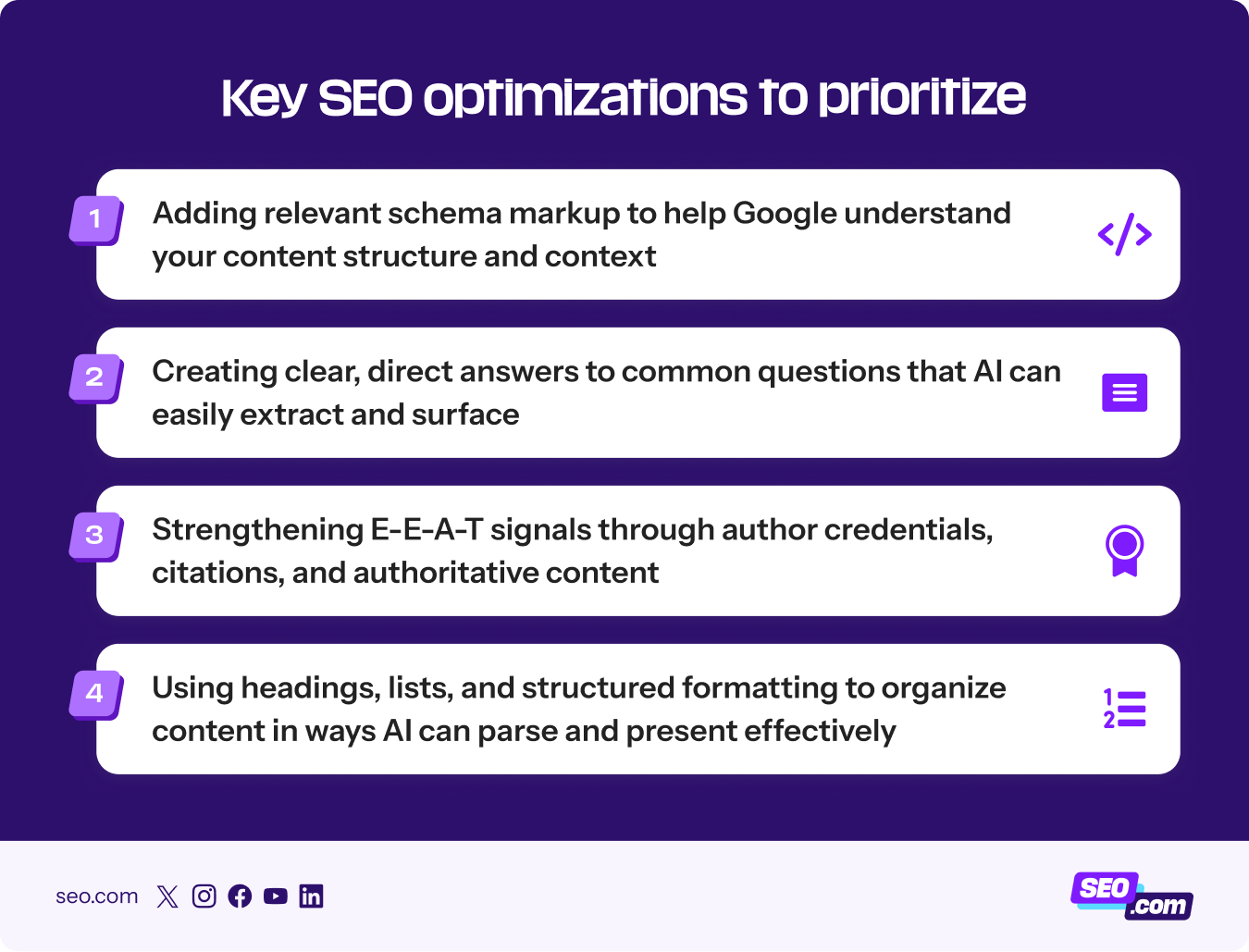
Essa mudança torna a presença nas visões gerais de IA tão importante quanto a classificação nos resultados orgânicos tradicionais. As principais otimizações a serem priorizadas incluem:
- Adicionar marcações de esquema relevantes para ajudar o Google a compreender a estrutura e o contexto do seu conteúdo
- Criar respostas claras e diretas para perguntas comuns que a IA possa extrair e apresentar facilmente
- Fortalecimento dos sinais E-E-A-T por meio de credenciais do autor, citações e conteúdo confiável
- Usar títulos, listas e formatação estruturada para organizar o conteúdo de forma que a IA possa analisá-lo e apresentá-lo de maneira eficaz
Crie uma estratégia de SEO com IA para plataformas LLM
À medida que a adoção desses modelos continua crescendo, é preciso garantir que seu conteúdo apareça quando os usuários fizerem pesquisas em plataformas como ChatGPT, Perplexity, Gemini e outros modelos de linguagem de grande escala (LLMs). Não se trata de substituir seu trabalho de SEO no Google, mas sim de ampliar a visibilidade para abranger novos comportamentos de pesquisa.
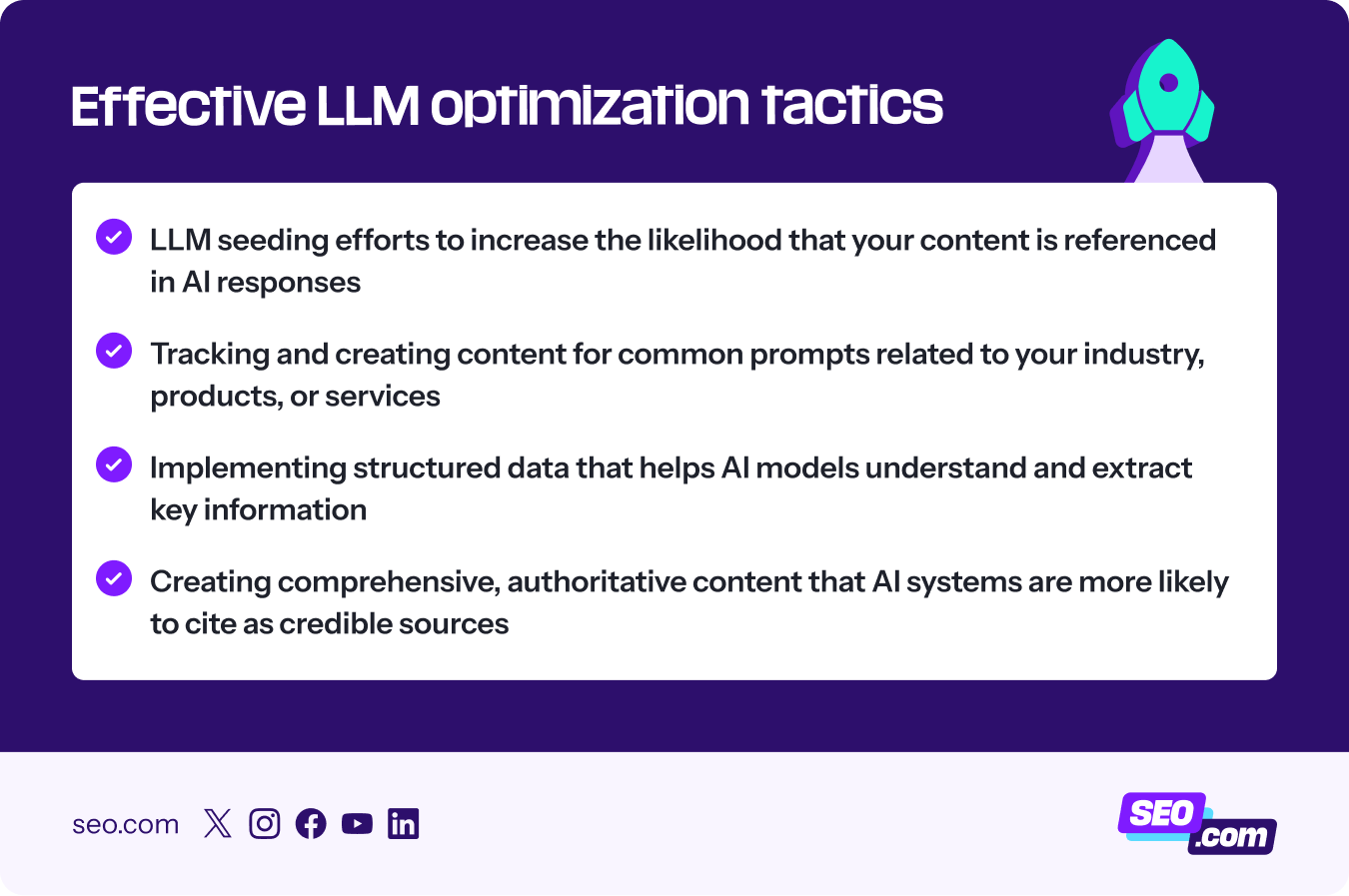
Entre as táticas eficazes de otimização de LLM estão:
- Esforços de "seeding" do LLM para aumentar a probabilidade de que seu conteúdo seja mencionado nas respostas da IA
- Acompanhar e criar conteúdo para temas comuns relacionados ao seu setor, produtos ou serviços
- Implementação de dados estruturados que ajudam os modelos de IA a compreender e extrair informações essenciais
- Criação de conteúdo abrangente e confiável que os sistemas de IA tendam a citar como fontes credíveis
Como avaliar o sucesso na era da pesquisa com IA?
Os indicadores que realmente importam estão em constante evolução. Para ter uma visão completa da sua visibilidade nesse novo cenário, é preciso monitorar o desempenho tanto nas plataformas de busca tradicionais quanto nas plataformas de IA.
Continue monitorando o tráfego orgânico
O tráfego orgânico continua sendo uma métrica essencial, pois os usuários ainda descobrem empresas por meio dos resultados de pesquisa tradicionais. No entanto, basear-se exclusivamente nos dados de tráfego fornecerá uma visão incompleta da sua verdadeira visibilidade, especialmente porque as visões gerais de IA e outros recursos da página de resultados do mecanismo de busca (SERP) reduzem as taxas de cliques (CTR), mesmo quando seu conteúdo é destacado com destaque.
Amplie suas métricas para incluir a visibilidade da IA
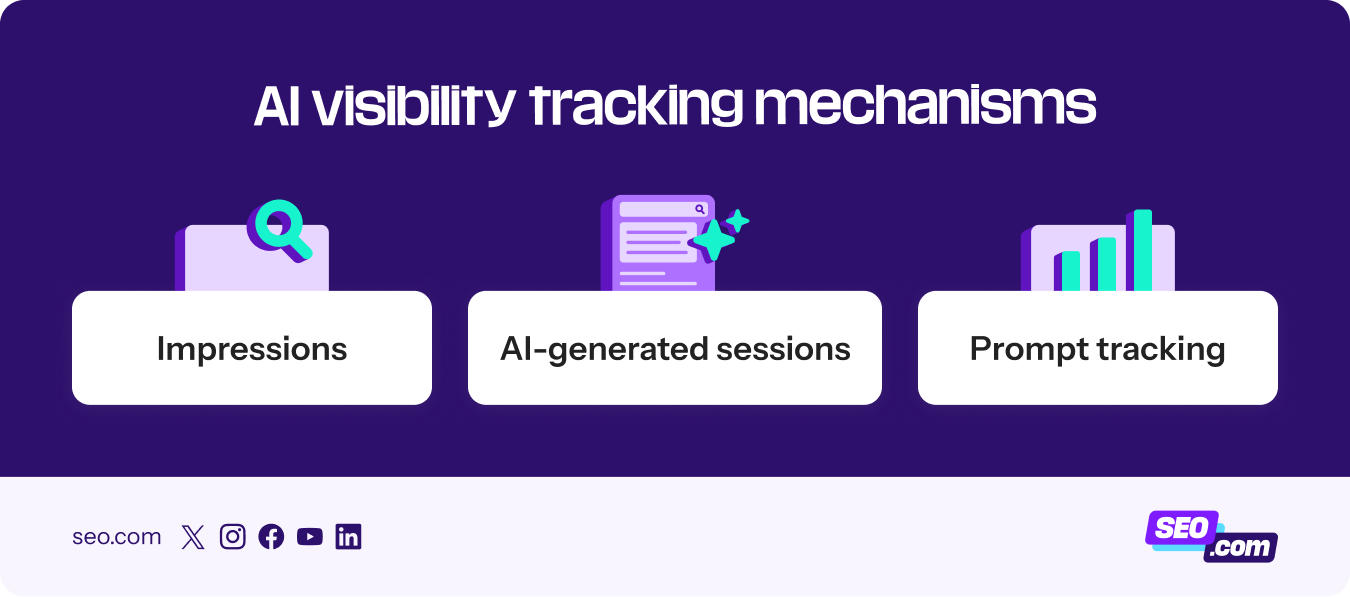
Para compreender plenamente sua presença nos resultados de busca, incorpore estes mecanismos de monitoramento adicionais:
- Impressões: essenciais para compreender a visibilidade quando as visões gerais de IA ou os trechos em destaque reduzem o número de cliques. Ferramentas como Ahrefs, Semrush e Google Search Console fornecem dados de impressões que mostram com que frequência seu conteúdo aparece, mesmo que os usuários não cliquem nele.
- Sessões geradas por IA: O Google Analytics 4 (GA4) permite monitorar o tráfego proveniente de modelos de linguagem de grande escala (LLMs), como ChatGPT, Gemini e Perplexity, oferecendo informações sobre quais usuários estão encontrando seu site por meio de plataformas de IA, em comparação com as buscas tradicionais.
- Acompanhamento de consultas: Ferramentas como o OmniSEO® permitem monitorar quais consultas os usuários estão pesquisando em relação à sua marca, produtos ou serviços em vários modelos de linguagem de grande escala (LLMs). Isso ajuda a compreender o comportamento de pesquisa em plataformas de IA e a identificar lacunas de conteúdo que precisam ser preenchidas.
Ao monitorar tanto as métricas tradicionais quanto os indicadores de visibilidade baseados em IA, você obtém uma visão completa de como os usuários descobrem sua marca em todos os ambientes de pesquisa.
Conclusão: você precisa de uma estratégia de SEO baseada em IA
Embora o uso da IA ainda não tenha superado a pesquisa no Google, a tendência é clara: a adoção está crescendo rapidamente e o comportamento dos usuários está se diversificando. Se você deseja maximizar a visibilidade e garantir que os clientes em potencial possam encontrá-lo onde quer que pesquisem — seja no Google, no ChatGPT, no Perplexity ou na próxima plataforma que surgir —, você precisa de uma estratégia de SEO para IA.
A jornada do comprador não se inverteu totalmente, mas se ampliou. Sua estratégia de SEO precisa acompanhar essa mudança.
Comece otimizando para as visões gerais de IA no Google, acompanhe sua visibilidade nas plataformas de LLM e crie conteúdo que atenda aos usuários, independentemente de onde eles iniciem sua pesquisa. As marcas que se adaptarem agora dominarão a visibilidade na era da pesquisa com IA.

Aumente sua visibilidade além do Google
Capture leads e tráfego de plataformas de busca emergentes, como ChatGPT, Perplexity e Google AI.


Fique por dentro das mudanças no mundo do SEO
Inscreva-se em nossa newsletter para receber dicas práticas e conselhos de especialistas que ajudarão você a melhorar a visibilidade do seu site.
Fique por dentro das mudanças no mundo do SEO
Inscreva-se em nossa newsletter para receber dicas práticas e conselhos de especialistas que ajudarão você a melhorar a visibilidade do seu site.
Escritores