



¿Qué extensión debe tener una entrada de blog? En general, las entradas de blog suelen tener entre 1500 y 2000 palabras, aunque esta cifra puede variar en función de muchos factores. Tanto si acabas de empezar como si quieres hacer crecer el blog de tu empresa, debes saber que el número de palabras puede influir en la interacción de los usuarios.
Let’s dive in to discuss more blog types in detail and the exact word counts you should shoot for.
- Short Form vs. Long Form: is Longer Really Better?
- Types of Blogs and Their General Length
- Pasos para encontrar palabras suficientes para llenar la página
- The Benefits of Writing Longer Blog Posts
- Should a Blog Post Always Be Longer?
- Tips for Creating Longer Blogs That Shine
Short form vs. long form: Is longer really better?
A la hora de plantearse cuál debe ser la extensión de una entrada de blog, la respuesta no siempre es sencilla: depende. Créenos, esta respuesta tan imprecisa nos frustra tanto como a ti, pero hay algo de verdad en ella. Al escribir una entrada de blog, el contenido y el número de palabras deben depender de:
- Topic: Your blog post can only be as long as the information you find on a topic. If your topic is more niche, there might be little out there to build out a full-length article. For example, someone writing a blog about why pineapple is the best pizza topping may not find as much information as someone writing a listicle about the best pizza topping creations around the world.
- Audience: Just like the topic, consider those you are writing for. If you are a food blog convincing others to switch to a gluten-free diet, you should provide more information on why being gluten-free is better than the freedom to eat bread. Additionally, it’s safe to say that someone clicked on this article because they have limited knowledge about being gluten-free. Knowing whether or not to go into detail about a topic depends on how well you know your audience.
- Goal: Start your blog with the end in mind. What you are trying to achieve can let you know what you need to delve into — from skimming the surface of a topic to being seen as the ultimate expert.
- Competitors: As with sports, ranking in blog posts matters. See what your competitors are doing to rank high in SEO strategies and inspire your writing with similar tactics, making a note of their total word count on a similar topic.
Types of blogs and their general length
Si te preguntas cuál debe ser la extensión de una entrada de blog, el tipo de blog que escribes puede ayudarte a determinar el número de palabras desde el principio. Aunque esto puede variar —y de hecho varía—, a continuación te presentamos algunos de los tipos de entradas de blog más habituales y su número de palabras respectivo:
- Update article: If you want to inform your readers of changes in your company or provide an employee spotlight, these are called update articles. Update articles don’t usually require background information or a lot of detail, allowing these posts to shoot for 400-700 words.
- Informational content: Informational articles are the typical posts you’ll see on a blog, including listicles and SEO-driven content. These posts start to delve into the wordier side of blog writing, shooting for around 1000-1500 words.
- Pillar pages: Pillar pages are the cornerstone of your blog, often linking to other pages and articles. Because they carry a bulk of information, pillar pages are often the most extended blog type to write, coming in at around 3000+ words per page.
- How-to guides: How-to guides can be some of the more entertainment-focused content, depending on your topic. After all, who doesn’t want to follow in the footsteps of the How-To Queen, Andie Anderson? Whether you are writing an article on how to lose a guy after a certain amount of days or a step-by-step guide on how to install an HVAC system, try to cover it in around 1500-2500 words.
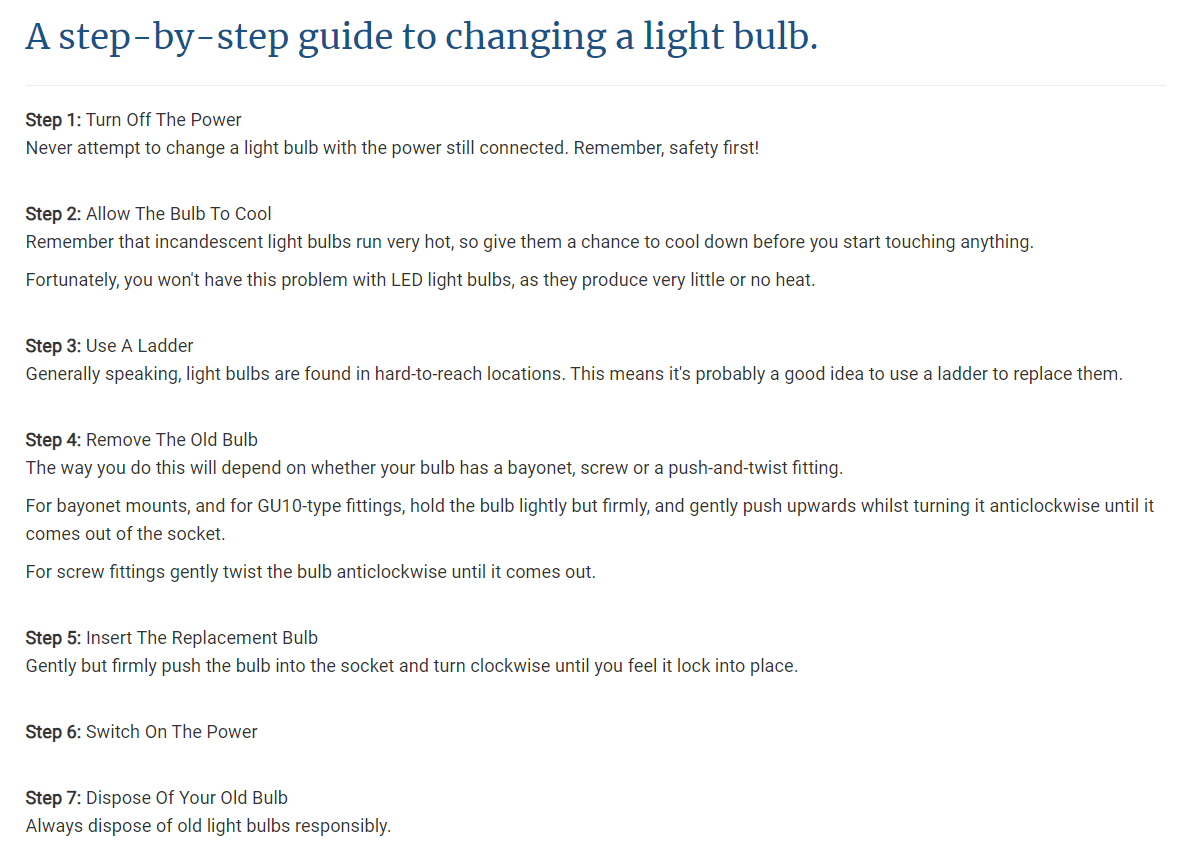
5 steps of finding enough words to fill the page
Ahora que ya sabes cuál debe ser la extensión de una entrada de blog, ¿estás listo para poner en práctica tus conocimientos? Escribir un blog puede parecer fácil, pero encontrar las palabras necesarias para llenar una página sin que el texto resulte superficial puede ser todo un reto. Echa un vistazo a estos pasos —los mismos que seguimos para escribir este mismo artículo— para empezar con buen pie:
- Infórmate bien
- Crear un esquema
- Variar la estructura del contenido
- Cambiar el formato de las frases
- Enfoque en el valor
1. Do your research
It’s impossible to write an article without knowing anything about your topic. While this may seem obvious, it can be tempting just to start writing what you know and hope the words will come to you. Instead, do all your research first! This process will give you a good idea of the primary topics to cover and the best keywords to use, streamlining your writing process.
Generador gratuito de palabras clave


2. Create an outline
Now, it’s time to plan out where you’re going with the topic. You can decide to create an outline during the research process, but be careful not to mirror another article’s structure. See what topics catch your eye and put your own spin on your headers. It can even be helpful to plan out how many words you will allocate to each section.
3. Vary content structure
Varying your content structure under each heading can keep your writing fun and interesting. Your topic can even influence the way your content is structured. For example, if the question you are trying to answer requires a simple answer, offering bullet point lists can make the content skimmable for readers.
4. Switch up sentence formatting
Just like with your content, switching up sentence formats can make reading more interesting. Reading a ton of short, choppy sentences in a row can be off-putting, and too many long sentences can be mentally exhausting. This way, reaching your word count with variety can even be more fun for the writer!
5. Focus on value
While reaching your targeted word count is an achievement, be sure that every sentence you write has value. In other words, don’t just write to write. A blog with 75% fluff will be discarded by a reader searching for information on your topic. Even if you have all the right SEO keywords, the words surrounding them matter.

The benefits of writing longer blog posts
Whether you want to rank higher on the SERPS or increase the amount of time users spend exploring your content, blogs with higher word counts can do the trick.
- Aumentar el tiempo de permanencia
- Mejorar el posicionamiento en los resultados de búsqueda
- Potencia tu marca
1. Increase dwell time
Longer posts can increase the amount of time users spend on a page, which is an influential factor for ranking in the Google SERP. The amount of time users spend on a webpage is called “dwell time”, and it’s a metric that Google tracks to help them decide where to rank your content.
Longer blog posts definitely keep users on your page if it is quality content. And that is the catch — you must still provide interesting, informative content with good grammar that meets user intent. Otherwise, it does not matter how long your blog post is!
2. Raise SERP rankings
Writing longer blog posts alone won’t help your content rank in the SERPs, but what it does give you is more space to craft well-researched, comprehensive, quality copy that captivates readers, keeps them on your page and keeps them coming back for more.
Of course, longer posts also help you fit in more keyword phrases naturally — you do not need to worry about stuffing in all your keywords (which users notice since it makes your content seem stilted and robotic) in only 300 words.
3. Boost your brand
Producing comprehensive content is the perfect avenue for showcasing your brand as a reliable source of information and as an industry leader. It takes time, research, expertise, and commitment to create premium long-form copy that satisfies user intent.
Should a blog post always be longer?
Optimize content according to your niche and your market. Consider these points to know if you should write longer blog posts or if you can create shorter blog posts and still do well:
Tips for creating longer blogs that shine
Add these elements to your web copy to produce outstanding content every time:
Get expert help creating high-quality blog content
We understand that nailing down valuable content while reaching a sufficient word count for your blog can be a lot to juggle. At SEO.com, we offer solutions from WebFX to build your SEO process, including everything on and off the page.
Together, we can get your blog ranking higher! Contact us today for your company’s custom SEO proposal.

Deja de escribir entradas de blog que no dan resultados
¡Deja que nuestros redactores profesionales te ayuden a crear contenido valioso y estratégico que atraiga tráfico cualificado a tu sitio web!


Deja de escribir entradas de blog que no dan resultados
¡Deja que nuestros redactores profesionales te ayuden a crear contenido valioso y estratégico que atraiga tráfico cualificado a tu sitio web!
Índice
- Short Form vs. Long Form: is Longer Really Better?
- Types of Blogs and Their General Length
- Pasos para encontrar palabras suficientes para llenar la página
- 1. Infórmate bien
- 2. Elabora un esquema
- 3. Variar la estructura del contenido
- 4. Varía el formato de las frases
- 5. Centrarse en el valor
- The Benefits of Writing Longer Blog Posts
- 1. Aumentar el tiempo de permanencia
- 2. Mejorar el posicionamiento en los resultados de búsqueda
- 3. Potencia tu marca
- Should a Blog Post Always Be Longer?
- Tips for Creating Longer Blogs That Shine

Deja de escribir entradas de blog que no dan resultados
¡Deja que nuestros redactores profesionales te ayuden a crear contenido valioso y estratégico que atraiga tráfico cualificado a tu sitio web!
Escritores