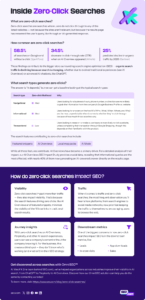



What are zero-click searches?
Zero-click searches are searches where users do not click through to any of the listed websites — not because the sites aren’t relevant, but because the results page has answered the user’s query, like through an AI-generated response.
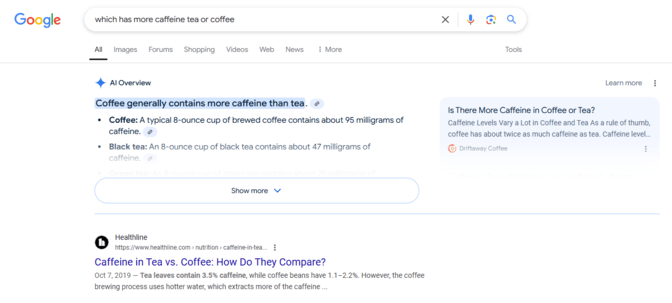
In this guide, you’ll learn:
- What Are Zero-click Searches?
- How Common Are Zero-click Searches?
- What Search Types Generate Zero Clicks?
- How Do Zero-click Searches Impact SEO?
- How to Optimize for Zero-click Searches
How common are zero-click searches?
Very.
According to a SparkToro study, 58.5% of searches on Google end without a click, with 21.4% of those resulting in a new search. The remaining (37.1%) conclude their session on Google.
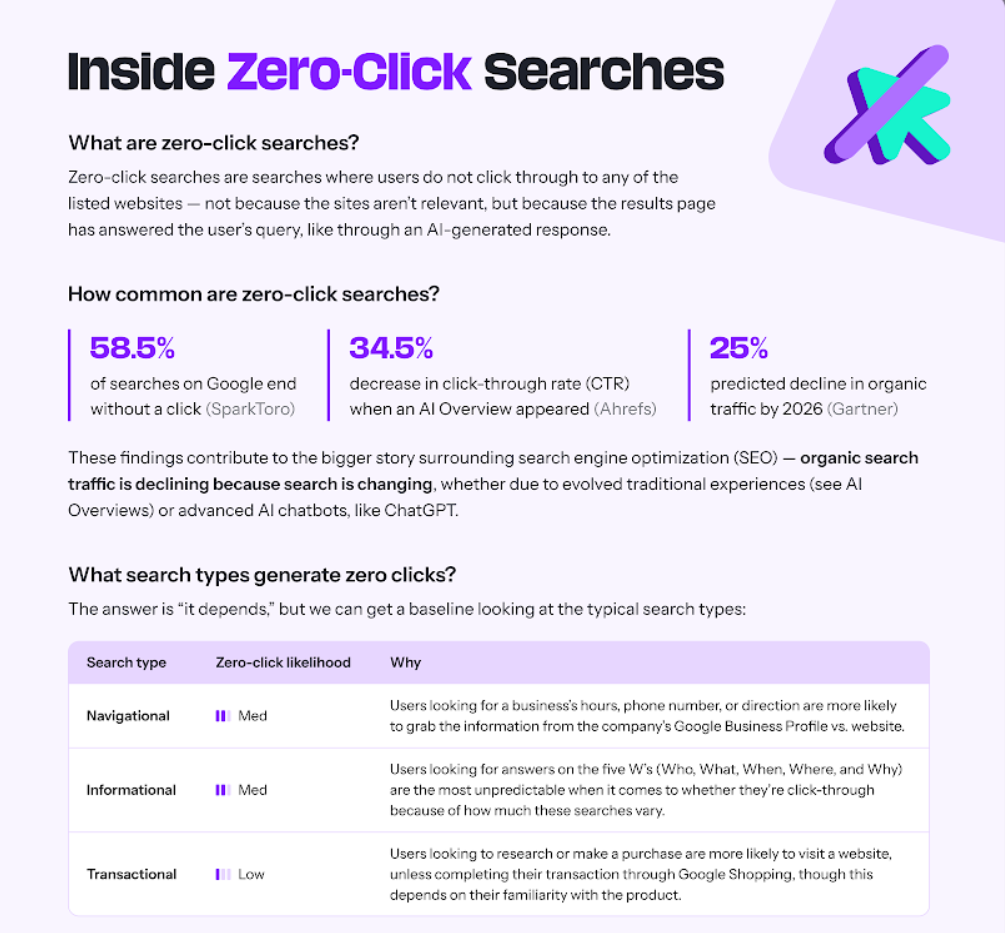
With the launch of AI search experiences, like AI Overviews, zero-click searches have continued to trend upwards. Another study (by Ahrefs) found a 34.5% decrease in click-through rate (CTR) when an AI Overview appeared.
These findings contribute to the bigger story surrounding search engine optimization (SEO) — organic search traffic is declining because search is changing, whether due to evolved traditional experiences (see AI Overviews) or advanced AI chatbots, like ChatGPT.
All this ties into Gartner’s prediction that organic traffic will decline by 25% in 2026.
What search types generate zero clicks?
The answer is “it depends,” but we can get a baseline looking at the typical search types:
| Search type | Zero-click likelihood | Why |
| Navegación | Med | Users looking for a business’s hours, phone number, or direction are more likely to grab the information from the company’s Google Business Profile vs. website. |
| Informativo | Med | Users looking for answers on the five W’s (Who, What, When, Where, and Why) are the most unpredictable when it comes to whether they’re click-through because of how much these searches vary. |
| Transaccional | Bajo | Users looking to research or make a purchase are more likely to visit a website, unless completing their transaction through Google Shopping, though this depends on their familiarity with the product. |
The search features contributing to zero-click searches include:
- Fragmentos destacados
- Resúmenes sobre la IA
- Local map packs
- Modo IA
Aunque todas estas características contribuyen a ello, los resúmenes de IA se han convertido en un factor determinante. Para un análisis detallado de su impacto, nuestroestudio sobre el impacto de los resúmenes de IA en el SEOofrece datos fundamentales que revelan que las consultas informativas son las más afectadas, ya que casi el 40 % de ellas generan ahora una respuesta generada por IA directamente en la página de resultados.
How do zero-click searches impact SEO?
There are a few impacts from zero-click searches on SEO, including:
Visibilidad
Zero-click searches impact more than traffic — they also impact visibility. That’s because the search features driving zero clicks, like AI Overviews and featured snippets, minimize the visibility of the 10 blue links in traditional search results.
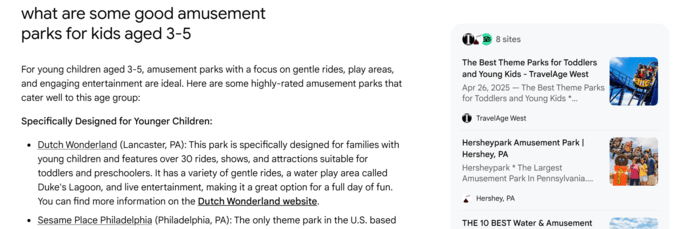
En experiencias de búsqueda basadas en IA, como el Modo IA y ChatGPT, la disminución de la visibilidad es aún más acusada. Esto se debe a que estas experiencias citan sus fuentes en lugar de proporcionar una lista de páginas relevantes para los usuarios. Además, la volatilidad de los resúmenes generados por IA puede hacer que cambien las fuentes citadas y la frecuencia con la que aparecen tus páginas, incluso aunque tu contenido siga siendo de calidad.
Tráfico
Naturally, zero-click searches impact traffic, which is a common SEO metric.
When it comes to traffic and zero-click searches, the most frequent observation you’ll hear is how platforms, from search engines to social media networks, now prioritize keeping the traffic to themselves vs. encouraging users to browse the web.

«Creo que, más que ninguna otra empresa, damos prioridad a dirigir el tráfico hacia la web… Dentro de cinco años nos verás dirigiendo mucho tráfico hacia la web. Creo que esa es la dirección que hemos tomado con respecto al producto y con la que estamos comprometidos».
Google’s CEO, Sundar Pichai, has pushed back against this categorization, stating, “I think more than any other company, we prioritize sending traffic to the web…You will see us five years from now sending a lot of traffic out to the web.”
Journey insights
With zero-click searches on AI Overviews, Perplexity, and other AI search experiences, users can see a company’s content without the company knowing it. For the business, this creates a blind spot — they don’t know what’s working (and what isn’t) in their SEO strategy.
All they know is a new sale came in from a direct — and not organic — visit.
That’s why many SEOs are asking search engines like Google to provide segmented tracking for AI search experiences, like AI Mode and AI Overviews, which currently register as Web search types in Google Search Console.
Downstream metrics
One of the biggest concerns in how zero-click searches impact SEO is in the downstream metrics, like:
- Clientes potenciales
- In-store visits
- App downloads
- Ventas
The trend, however, has been businesses reporting declined traffic, but increased revenue. Public companies like NerdWallet and HubSpot have both shared how organic search traffic has declined, yet their revenues have increased.
What’s important to consider with these examples, though, is that HubSpot and NerdWallet are established brands that have built — and prioritized building — their online visibility across marketing channels.
And that’s key for SEOs looking to the future of search.
How to optimize for zero-click searches
You’ll find the future of search in how you’ll optimize for zero-click searches:
Create masterclass content
Users that opt to click on your site from search results want depth — they’re looking to go beyond AI Mode’s response, and that’s significant. When they arrive on your site, it’s critical you deliver content that:
- Offers value, like through visuals, first-hand experiences, or interactive elements
- Uses headings, lists, and tables to make itself skimmable
- Gets specific with its advice, like addressing what B2B vs. B2C companies need
- Includes a call-to-action, whether for a micro- or macro-conversion
Mejora el contenido con el marcado Schema
Help your content rank in AI search experiences by using schema markup, like:
- Negocios locales
- Servicio
- Producto
- Preguntas frecuentes
- HowTo
Schema proporciona a estos motores más contexto, lo que puede mejorar la visibilidad de tus URL.
Make marketing omnichannel
As answer engines like Claude, AI Mode, and ChatGPT move to make their responses more personalized to a user, like through the person’s Google Workspace (think Gmail, Google Calendar, and Google Drive), omnichannel marketing has become critical.
«Si estás buscando «cosas que hacer en Nashville este fin de semana con amigos, somos unos auténticos amantes de la gastronomía y nos gusta la música» antes de tu próximo viaje, el Modo IA puede mostrarte restaurantes con terraza basándose en tus reservas y búsquedas anteriores».
For example, consider the kind of response a user might get in AI Mode if they’re subscribed to your email newsletter. Is it possible AI Mode will cite your website’s content because they know the user has a preference for your brand?
While it’s always been a goal for businesses to bring their cross-channel marketing efforts together, it’s now becoming something that AI search experiences will do for you — if you have the pieces in place.
That’s why businesses (and SEOs) need to lay the foundation for omnichannel marketing.
Expand search to omnichannel SEO
Search is changing — and expanding.
ChatGPT is one of the most visited websites in the world, with a user base of more than 400 million weekly active users. Even though AI Overviews dwarfs this number with its 1.5 billion monthly users, the numbers still show people are expanding their search horizons.
And SEOs need to do the same.
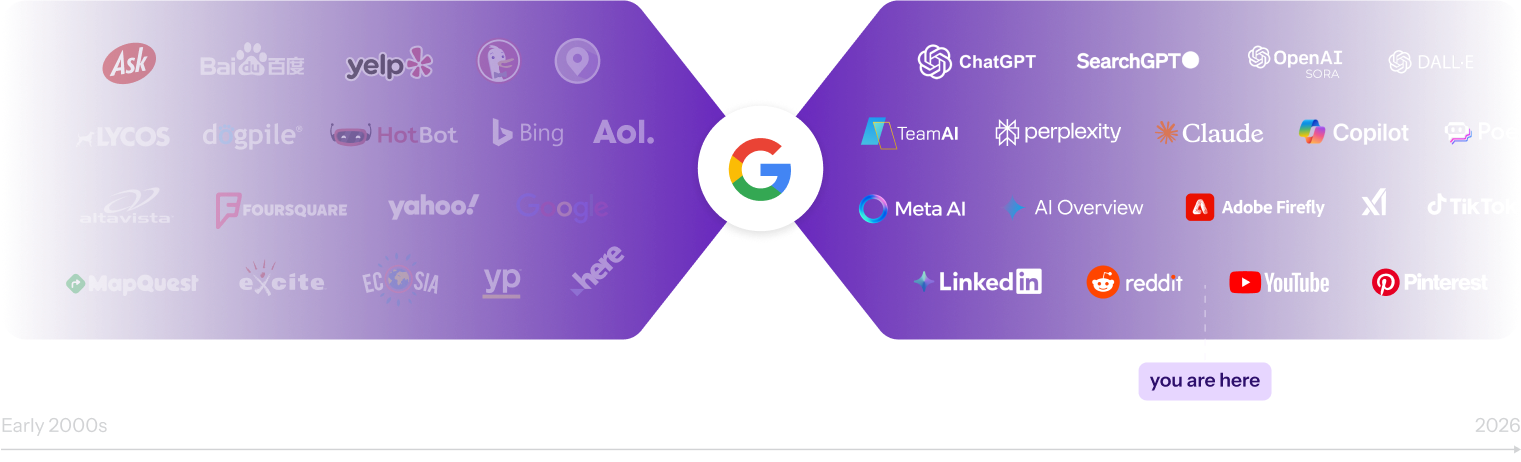
Omnichannel SEO — or search everywhere optimization — optimizes across search experiences, like:
- Traditional search
- AI-powered search
- Social search
- Local search
- Búsqueda por voz
While it uses some familiar SEO optimizations, like on-page and technical SEO, it also expands into brand reputation management and enhanced content creation to help businesses build their visibility across the online experience.
You can learn the ins and outs of omnichannel SEO in our Search Everywhere Optimization Guide:
Discover: Search Everywhere Optimization Guide
Get discovered across searches
Zero-click searches aren’t going anyway — if anything, businesses can expect to see more of them. That’s why it’s time for organizations to start optimizing for search across experiences, from voice to social to search.
At WebFX (the team behind SEO.com), we’ve helped organizations across industries improve their visibility in AI search, from ChatGPT to Perplexity to AI Overviews. Discover how our AI SEO services can help you do the same by contacting us today!

Prepárate para el futuro con tu estrategia de SEO gracias a OmniSEO®
Adiós a la optimización para motores de búsqueda; hola a la optimización para buscar en todas partes.

Prepárate para el futuro con tu estrategia de SEO gracias a OmniSEO®
Adiós a la optimización para motores de búsqueda; hola a la optimización para buscar en todas partes.
Prepárate para el futuro con tu estrategia de SEO gracias a OmniSEO®
Adiós a la optimización para motores de búsqueda; hola a la optimización para buscar en todas partes.
Escritores