



O conteúdo é um elemento fundamental para o sucesso da pesquisa com IA. É o que aparece nos resultados e direciona o tráfego para a sua página.
Isso leva-nos a perguntar: qual é a extensão ideal para que um conteúdo seja bem classificado nos motores de busca baseados em IA?
Vamos falar sobre isso.
- Existe um comprimento ideal para o conteúdo na pesquisa com IA?
- Será que um conteúdo pode ser demasiado extenso para a pesquisa com IA?
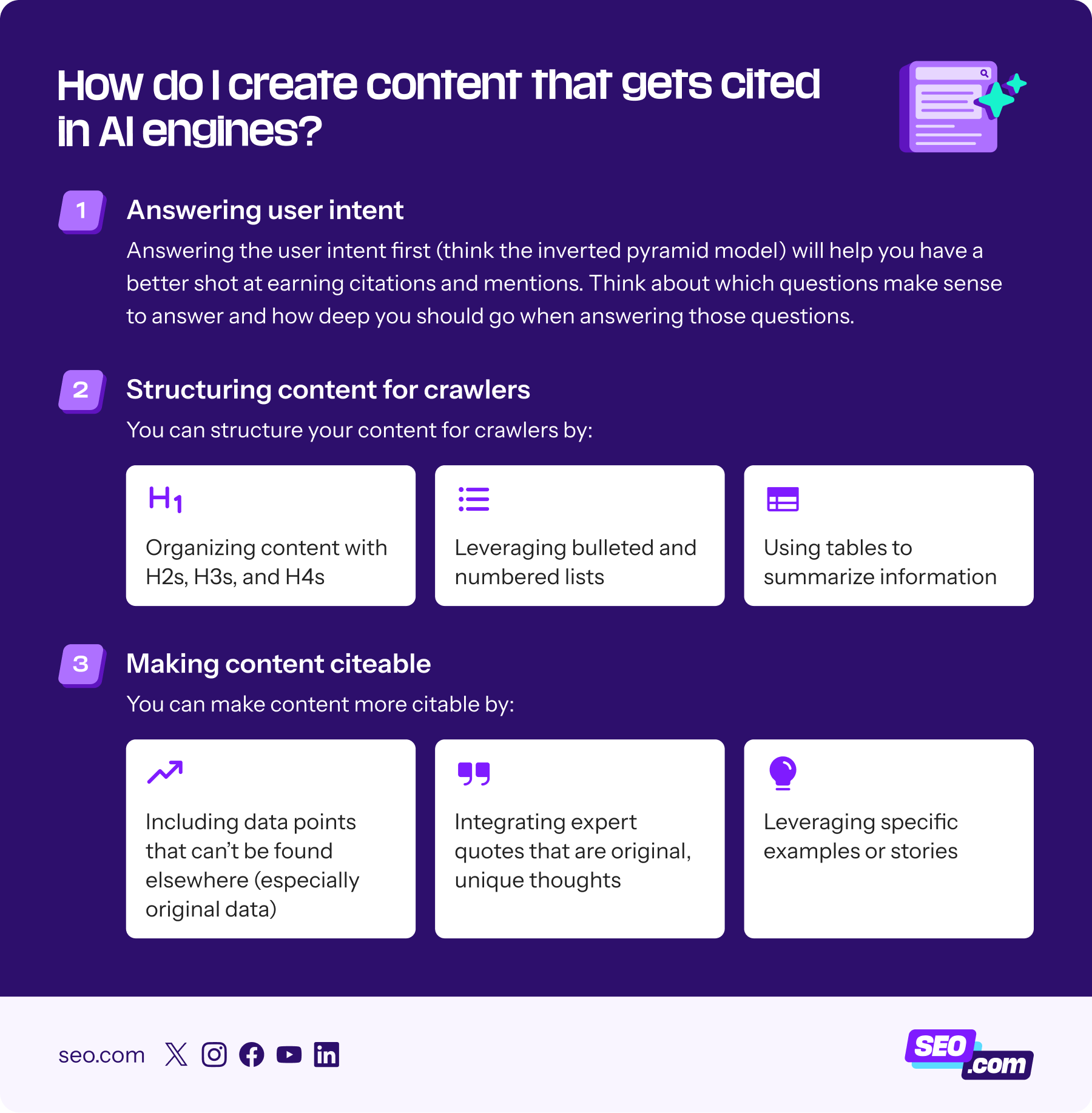
- Como posso criar conteúdo que seja referenciado pelos motores de IA?
Existe um comprimento ideal para o conteúdo na pesquisa com IA?
Não, não há mesmo.
Como Abby Fields refere, o que importa não é tanto a extensão do conteúdo, mas sim responder à intenção de pesquisa:

«Provavelmente não existe um comprimento de texto “perfeito” a que se deva aspirar ao criar conteúdo ou ao otimizá-lo para a pesquisa com IA! Penso que o mesmo se aplica ao SEO tradicional.»
O mais importante é garantir que o seu conteúdo responde à intenção de pesquisa. Tem todo o conteúdo necessário para responder à pergunta do utilizador e fornecer as informações de que este necessita? É a intenção de pesquisa que determina a extensão do texto, e não o contrário.

Sarah Berry concorda com essa ideia, acrescentando:
«Embora tenha havido uma correlação entre os dias em que os “dez links azuis” apareciam e artigos mais longos (entre 1 200 e 3 000 palavras) que obtinham melhores classificações nos resultados de pesquisa, penso que comprometer-se com esse comprimento nesta fase é prematuro.»

Pessoalmente, acho que a noção de contagem de palavras se baseia em grande parte na coincidência e não é necessariamente um indicador de sucesso nas pesquisas. Não é que o conteúdo tenha obtido uma boa classificação nas pesquisas por ter1 500 ou 2 000 palavras. Era simplesmente conteúdo de boa qualidade que,por acaso, tinhaesse comprimento na maioria dos casos.
Portanto, mais uma vez, isto reforça a ideia de que é o conteúdo de boa qualidade, que corresponda à intenção de pesquisa, que irá obter uma boa classificação e visibilidade nos motores de busca com IA, e não o simples cumprimento de um número mínimo de palavras.
É possível que um conteúdo seja demasiado extenso para a pesquisa com IA?
Portanto, embora não haja um número de palavras definido que seja necessário atingir para que o conteúdo obtenha visibilidade e citações no motor de IA, é possível criar conteúdo que seja demasiado extenso.
Eis a armadilha em que as empresas caem:
- Eles aprendem que os motores de IA precisam de recursos abrangentes e informativos
- Interpretam isso como conteúdos «extensos» e criam conteúdos repletos de informação
- O conteúdo torna-se excessivamente extenso e, na verdade, não ajuda os utilizadores a obterem as informações que procuram
Eis um dado a ter em conta: 55% das citações do AI Overview provêm dos primeiros 30% do conteúdo — apenas 21% provêm dos últimos 40% do conteúdo.
Acompanha-me nesta questão.
Se estiver a encher o seu conteúdo com informações pouco úteis (apenas para cobrir o assunto), esses primeiros 30 % do conteúdo, que são os mais suscetíveis de serem citados, podem acabar por estar repletos de informações irrelevantes e pouco úteis. Isso significa que poderá estar a desperdiçar as suas oportunidades de ser citado.
É por isso que é tão importante que aborde apenas informações que sejam verdadeiramente úteis para o utilizador. Isso não só manterá os utilizadores mais envolvidos, como também ajudará a aumentar as hipóteses de as suas informações mais importantes serem citadas.
A Abby concorda com esta ideia:
«Os conteúdos demasiado longos costumam conter «preenchimento» — ou seja, conteúdo que não está diretamente relacionado com a intenção de pesquisa e que não constitui o foco principal da página. Se conseguir eliminar esse conteúdo e a sua página continuar a responder à intenção de pesquisa e a ser útil, então é provável que a sua página seja demasiado longa e se esteja a afastar do objetivo principal.»
Como saber se um conteúdo é demasiado curto ou superficial?
Segundo a Abby, existem alguns indicadores de que o conteúdo é demasiado superficial ou curto:
«Conteúdo com respostas muito curtas e genéricas e explicações básicas pode ser considerado insuficiente. O ideal é que o conteúdo seja valioso, o que normalmente significa explicar os temas de forma exaustiva e de modo a que o leitor compreenda. Além disso, se a sua página não tiver conteúdo que responda à intenção de pesquisa, isso é um indício de que o conteúdo é um pouco escasso.»
Basicamente, se estiver a criar conteúdo que aborda o tema de forma demasiado genérica e não aprofunda os detalhes, esse conteúdo será superficial e não será considerado útil pelos motores de IA.
Assim, se voltarmos ao exemplo anterior da Sarah sobre os custos de substituição de um telhado, um conteúdo superficial pode limitar-se a indicar quanto custa substituir um telhado e ficar por aí. Mas os utilizadores querem sabermais do queisso — querem saber, por exemplo, que fatores influenciam o custo.
Portanto, se não abordar essas informações essenciais, o seu conteúdo ficará demasiado superficial e não será considerado suficientemente útil para que os motores de IA o citem.
Como posso criar conteúdo que seja referenciado pelos motores de IA?
Eis o que a Sarah diz que deves ter em conta:
1. Responder à intenção do utilizador
Responder primeiro à intenção do utilizador (pense no modelo da pirâmide invertida) irá ajudá-lo a ter mais hipóteses de obter citações e menções. Pense nas perguntas a que faz sentido responder e até que ponto deve aprofundar as respostas a essas perguntas.
É muito importante refletir sobre o tema e sobre quais as informações que fazem mais sentido naquele momento.
Assim, por exemplo, uma página sobre os custos de substituição de telhados não precisa de aprofundar tanto o assunto para começar a abordar a procura e a avaliação de empresas de telhados. Em vez disso, pode manter o foco nos custos de substituição de telhados, nos fatores a ter em conta e noutras informações diretamente relacionadas.
2. Estruturação do conteúdo para os rastreadores
Para que o seu conteúdo seja citado e mencionado nos resultados de pesquisa da IA, é necessário estruturá-lo para os rastreadores. Pode fazê-lo da seguinte forma:
- Organizar o conteúdo com títulos H2, H3 e H4
- Aproveitar as listas com marcadores e numeradas
- Utilizar tabelas para resumir informações
3. Tornar o conteúdo citável
Tornar o conteúdo citável pode ajudar os motores de IA a considerarem o seu conteúdo suficientemente valioso para ser citado nos resultados de pesquisa.
Pode tornar o conteúdo mais fácil de citar ao:
- Incluindo dados que não se encontram em mais lado nenhum (especialmente dados originais)
- Incorporando citações de especialistas que refletem pensamentos originais e únicos
- Recorrendo a exemplos ou histórias concretas
Quando o seu conteúdo é específico, dá aos motores de IA um motivo para o citarem. Pode até experimentar a regra 1:80 (ou uma versão modificada da mesma), segundo a qual, a cada 80 palavras, deve incluir um facto ou uma estatística que o ajude a ser citado nos motores de IA.
Mantenha-se a par de tudo o que se passa no mundo da pesquisa com IA
Desde o conteúdo até às otimizações de pesquisa com IA, manter-se a par de temas como estes é fundamental para o sucesso. Se quiser manter-se informado, subscreva a nossa newsletter por e-mail para receber as últimas notícias sobre pesquisa com IA!


A pesquisa com IA está a evoluir rapidamente. Está a acompanhar estas mudanças?
Obtenha análises detalhadas e insights de especialistas sobre as últimas tendências e novidades em matéria de pesquisa com IA.


A pesquisa com IA está a evoluir rapidamente. Está a acompanhar estas mudanças?
Obtenha análises detalhadas e insights de especialistas sobre as últimas tendências e novidades em matéria de pesquisa com IA.
Índice
- Existe um comprimento ideal para o conteúdo na pesquisa com IA?
- Será que um conteúdo pode ser demasiado extenso para a pesquisa com IA?
- Como saber se um conteúdo é demasiado curto ou superficial?
- Como posso criar conteúdo que seja referenciado pelos motores de IA?
- 1. Responder à intenção do utilizador
- 2. Estruturação do conteúdo para os rastreadores
- 3. Tornar o conteúdo citável

A pesquisa com IA está a evoluir rapidamente. Está a acompanhar estas mudanças?
Obtenha análises detalhadas e insights de especialistas sobre as últimas tendências e novidades em matéria de pesquisa com IA.
Opiniões de especialistas
da equipa da SEO.com
Escritores