



- ¿Cuáles son los indicadores más importantes para medir el rendimiento del SEO? Los ocho indicadores esenciales son: posicionamiento (clasificación de palabras clave), impresiones, tasa de clics, tráfico orgánico, tasa de rebote, tiempo de permanencia en la página, tasa de conversión y análisis técnico de SEO, que en conjunto miden la visibilidad, la relevancia y el rendimiento general.
- ¿Cuánto tiempo se tarda en ver los resultados del SEO? Por lo general, el SEO requiere al menos seis meses antes de mostrar resultados cuantificables, y algunas estrategias pueden tardar hasta un año en demostrar plenamente su eficacia, por lo que las empresas deben evitar esperar resultados inmediatos de sus esfuerzos de optimización.
- ¿Qué herramientas debes utilizar para hacer un seguimiento del rendimiento SEO? Google Search Console y Google Analytics 4 son herramientas gratuitas imprescindibles para hacer un seguimiento de las métricas SEO, mientras que opciones de pago como Semrush, Ahrefs y Moz ofrecen información adicional sobre posicionamientos, backlinks y autoridad de dominio.
- ¿Por qué es importante la tasa de conversión para el seguimiento del SEO? La tasa de conversión revela si tu estrategia de SEO atrae tráfico cualificado que realiza las acciones deseadas; el tráfico orgánico suele tener una tasa de conversión del 2 % al 5 %, lo que te ayuda a comprender si la selección de palabras clave y el contenido se ajustan a la intención del usuario.
- ¿Cómo sabes si tus resultados de SEO son buenos? Un buen rendimiento de SEO se caracteriza por un tráfico de alta calidad hacia tu sitio web, un buen posicionamiento en los resultados de búsqueda para las palabras clave objetivo, tiempos de permanencia prolongados en las páginas y la obtención de vínculos externos de alta calidad, aunque los parámetros específicos varían en función de los objetivos empresariales individuales y los estándares del sector.
| Métrica | Herramienta | Propósito |
| Posición | Consola de búsqueda de Google | Medir la visibilidad |
| Impresiones | Consola de búsqueda de Google | Medir la visibilidad |
| Índice de clics | Consola de búsqueda de Google | Medir la relevancia |
| Tráfico | Google Analytics 4 | Medir la relevancia |
| Tasa de rebote | Google Analytics 4 | Medir la relevancia |
| Tiempo en página | Google Analytics 4 | Medir la relevancia |
| Tasa de conversión | Google Analytics 4 | Medir la relevancia |
| Análisis técnico SEO | Consola de búsqueda de Google | Medir el rendimiento |
| Comprobador de autoridad de dominio (Moz, Ahrefs) | Medir la relevancia | |
| Consola de búsqueda de Google | Medir el rendimiento |
Desde las clasificaciones y el tráfico hasta Google Search Console y Google Analytics 4, existen múltiples métricas y formas de realizar un seguimiento de tu rendimiento SEO. Aprende a empezar con esta guía:
- 10 métricas para medir el rendimiento del SEO
- Cómo empezar a hacer un seguimiento del rendimiento SEO
- Preguntas frecuentes sobre el seguimiento SEO
10 métricas para medir el rendimiento del SEO
1. Posición
Herramienta: Google Search Console (las opciones de pago incluyen Semrush, Ahrefs y Moz)
Visión general: Realice un seguimiento de la posición (o clasificación de palabras clave) para comprender su visibilidad en los resultados de búsqueda orgánicos. Si te posicionas fuera de la página uno, es probable que veas un menor rendimiento SEO en otras métricas, como el tráfico y la tasa de conversión.
Cómo mejorar: Revisa tu SEO on-page, desde la etiqueta del título hasta la inserción de palabras clave, y tu SEO off-page. Si tienes un dominio débil, es probable que te cueste posicionarte para las palabras clave más competitivas.
Si quiere saber cómo realizar un seguimiento SEO con éxito, incluya las clasificaciones de palabras clave en su lista de cosas que debe controlar. La clasificación de sus palabras clave muestra lo bien que se clasifica para sus palabras clave en los resultados de búsqueda.
El seguimiento de sus palabras clave es crucial para el éxito de su estrategia SEO.
Existen muchas herramientas de seguimiento de rankings, incluidas opciones gratuitas como Google Search Console. Otras herramientas populares de clasificación de palabras clave son Ahrefs, Semrush y Moz.
Si sus páginas no están bien posicionadas para las palabras clave deseadas, está perdiendo un tráfico valioso. Por no hablar de que el 86% de los clics orgánicos van a los 10 primeros resultados: si no está entre los primeros resultados para sus palabras clave, es probable que no esté recibiendo tráfico en esas páginas.
Si realiza un seguimiento de sus resultados de SEO y ve que no se está clasificando bien para algunas de sus palabras clave principales, es posible que tenga que volver a optimizar esas páginas para ayudarlas a clasificarse mejor. Fíjate en lo que aparece en los resultados de búsqueda y comprueba qué puede faltar en tus páginas.
Considere la posibilidad de explorar también Accuranker y las alternativas a Accuranker para obtener opciones adicionales en el seguimiento eficaz de sus rankings de palabras clave.
2. Impresiones
Herramienta: Consola de búsqueda de Google
Visión general: Las impresiones -o el número de usuarios que ven su anuncio en los resultados de búsqueda- se correlacionan con la posición. Cuanto mejor posicionado esté, más impresiones recibirá. Un alto número de impresiones pero un bajo porcentaje de clics (véase nuestra siguiente métrica) puede revelar la ineficacia de las etiquetas de título.
Cómo mejorar: Compruebe si en los resultados de búsqueda aparecen palabras clave de alta impresión y bajo porcentaje de clics. ¿Coinciden la etiqueta del título y la meta descripción con la intención y el sentimiento de los buscadores? Considere la posibilidad de modificar la etiqueta del título para mejorar su relevancia.
Cuando evalúes tu rendimiento en SEO, presta atención a tus impresiones. Las impresiones reflejan el número de personas que ven tu anuncio en los resultados de búsqueda: cuanto mejor sea tu posicionamiento, más impresiones obtendrás.
Por lo general, lo ideal es obtener un gran número de impresiones con una tasa de clics elevada. Si observas un gran número de impresiones con una tasa de clics baja, esto puede indicar que tus metaetiquetas (etiqueta de título y meta descripción) necesitan mejorarse, o que los resúmenes de IA podrían estar afectando a tu rendimiento.
Realiza un seguimiento de tus impresiones para saber cuántas personas ven tus anuncios en los resultados de búsqueda y compáralo con el número de personas que hacen clic para visitar tu sitio web.
3. Porcentaje de clics (CTR)
Herramienta: Consola de búsqueda de Google
Visión general: El CTR describe el porcentaje de usuarios que ven su anuncio en los resultados de búsqueda orgánica y hacen clic en él. Puedes utilizar el CTR para conocer el rendimiento de tu SEO para determinados términos de búsqueda.
Cómo mejorar: Investigue la intención de búsqueda, así como el sentimiento, detrás de las palabras clave. Si es relevante para su contenido, considere cómo puede hacer que la etiqueta del título y la meta descripción sean más persuasivas. Recuerda, no obstante, que tu contenido también debe estar en consonancia.
A la hora de medir el rendimiento de SEO, debe controlar su porcentaje de clics orgánicos (CTR). Esta métrica indica cuántas personas ven su anuncio en los resultados de búsqueda, hacen clic en él y visitan su sitio web.
Su CTR es un buen indicador de si está creando etiquetas de título informativas. etiquetas de título y meta descripciones. Estas dos etiquetas aparecen en los resultados de búsqueda y a menudo determinan si alguien hace clic en su anuncio.
El seguimiento de esta métrica le ayuda a comprender lo bien que está atrayendo a los visitantes a hacer clic en sus anuncios en comparación con su competencia. Si tu CTR es bajo, puede indicar que necesitas reoptimizar tus etiquetas para generar más clics.
4. Tráfico orgánico
Herramienta: Google Analytics 4
Visión general: Al igual que las clasificaciones, el tráfico orgánico es una métrica fundamental para el seguimiento SEO. Utilice Google Analytics 4 para comprender su tráfico y su relevancia. Por ejemplo, ¿recibe un tráfico significativo de California pero sólo atiende a empresas de la costa este?
Cómo mejorar: Mejorar su SEO para aumentar su visibilidad orgánica. Desarrollar contenidos compartibles, desde calculadoras hasta liderazgo de pensamiento, para atraer backlinks (y visitas de tráfico) de fuentes reputadas.
A la hora de medir los resultados de SEO, una métrica crucial es el tráfico orgánico. El tráfico orgánico es todo el tráfico que llega a su sitio web desde los motores de búsqueda de forma orgánica, no a través de anuncios.
El tráfico orgánico es una buena métrica para medir el SEO porque indica el rendimiento de sus páginas en los resultados de búsqueda. Puede ayudarle a comprender mejor su posicionamiento para determinadas palabras clave y a conocer la calidad de su tráfico.
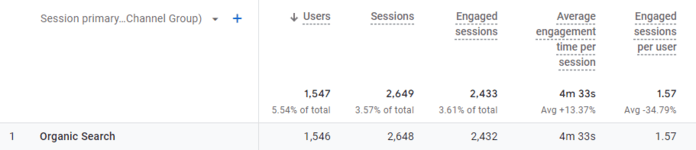
La calidad y el volumen de su tráfico de su sitio web puede ser un factor que contribuya a que su sitio web no convierta o no esté cumpliendo sus objetivos. Por lo tanto, el seguimiento de esta métrica es una gran manera de entender mejor cómo su tráfico orgánico afecta a su éxito general de SEO.
¿Aún no tiene GA4? Pruebe nuestro comprobador de tráfico SEO gratuito. Verás rápidamente por qué tener una herramienta como GA4 es importante para tus estrategias de marketing digital.
5. Tasa de rebote
Herramienta: Google Analytics 4
Resumen: Comprenda la relevancia de su sitio y su contenido con la tasa de rebote, que mide el porcentaje de usuarios que aterrizan en una página y la abandonan sin visitar ninguna otra.
Cómo mejorar: Utilice enlaces internos para dirigir a los usuarios a contenidos relacionados con su intención de búsqueda original. Incluye una llamada a la acción (CTA) para dirigir a los usuarios a realizar una acción, como suscribirse a un boletín o comprar un producto.
Cuando aprenda a medir los resultados de SEO, descubrirá que tasa de rebote es una métrica importante a controlar. La tasa de rebote indica cuántas personas visitaron su página y la abandonaron sin realizar ninguna otra acción.
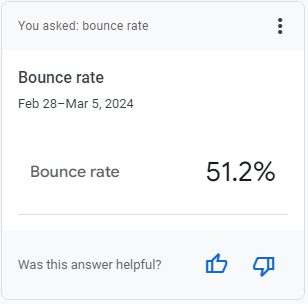
Aunque la tasa de rebote no es un factor directo de clasificación, tiene implicaciones más amplias para el éxito de su estrategia SEO. Si la gente visita su página y la abandona inmediatamente, podría indicar que su página no proporciona la información que los usuarios necesitan. Teniendo en cuenta que Google quiere ofrecer páginas que proporcionen una buena experiencia de usuario, esto podría afectar indirectamente a su clasificación.
Si tiene una tasa de rebote elevada, considere la posibilidad de reoptimizar su página para ofrecer más información a los usuarios. Puede que también necesites ajustar mejor tu etiqueta de título y meta descripción para reflejar con mayor precisión lo que hay en la página.
6. Hora en la página
Herramienta: Google Analytics 4
Resumen: Comprenda si su contenido atrae y anima a los usuarios a permanecer en su sitio con el tiempo en la página. Mientras que algunos contenidos incitan de forma natural a permanecer poco tiempo en la página, como una entrada de diccionario, otros incitan a realizar visitas más largas, como una guía práctica.
Cómo mejorar: Utiliza medios, desde vídeos a imágenes, para atraer a los usuarios. Por ejemplo, si está explicando un concepto, utilice un gráfico para ayudar a los usuarios a entenderlo. Considera también la posibilidad de auditar tu experiencia de usuario (UX) para encontrar formas de mejorarla.
Además de la tasa de rebote, también querrá incluir el tiempo en página como parte de su monitorización SEO. El tiempo en página, como su nombre indica, indica cuánto tiempo pasa alguien en una página de contenido.
Le conviene incluir esta métrica cuando realice un seguimiento del rendimiento SEO porque indica si su página proporciona información útil a su audiencia. Si pasan mucho tiempo en una página, es un buen indicador de que su información es relevante y útil para el lector.
El seguimiento del tiempo de permanencia en la página, junto con la tasa de rebote, puede ayudarle a identificar las páginas que necesitan mejoras para mantener el interés de los usuarios.
7. 7. Tasa de conversión
Herramienta: Google Analytics 4
Resumen: Las micro y macro conversiones son fundamentales para medir los resultados SEO. Tasa de conversión de usuarios para entender si el tráfico orgánico convierte y qué URLs tienen más probabilidades de convertir usuarios orgánicos.
Cómo mejorar: Centrar la segmentación por palabras clave en consultas relevantes para atraer tráfico cualificado. Aplique las mejores prácticas de optimización de la tasa de conversión (u obtenga la ayuda de servicios de optimización de la tasa de conversión) para mejorar aún más las tasas de conversión.
La tasa de conversión analiza cuántas personas de su tráfico de búsqueda realizan una acción de conversión, ya sea suscribirse a correos electrónicos, ponerse en contacto con su empresa o realizar una compra.
Incluir la tasa de conversión como parte de su plan para medir el SEO puede ayudarle a comprender si está dirigiendo el tráfico adecuado a su sitio web.
Tenga en cuenta, sin embargo, que sólo 2-5% del tráfico orgánico convierte, así que no espere ver grandes cifras. Pero si ves que no tienes conversiones o un porcentaje aún menor del 2%, podría indicar que tu SEO necesita algunas mejoras.
8. Análisis técnico de SEO
Herramienta: Consola de búsqueda de Google
Resumen: Echa un vistazo al backend de tu sitio web para ver si hay algún elemento que esté afectando negativamente a la experiencia del usuario e impidiendo que los visitantes interactúen con tu sitio web.
Cómo mejorar: Revise periódicamente su sitio web para detectar problemas técnicos. Compruebe si hay enlaces rotos o contenido duplicado y asegúrese de que su sitio es compatible con dispositivos móviles. Comprimir las imágenes también puede ayudar a optimizar la velocidad de su sitio, aprovechar la caché del navegador y minimizar JavaScript. Implemente datos estructurados para ayudar a los motores de búsqueda a comprender mejor su contenido y mejorar sus posibilidades de aparecer en fragmentos enriquecidos.
Si su sitio tiene problemas técnicos, puede obstaculizar su capacidad para posicionarse bien, independientemente de lo bien optimizado que esté su contenido. Al dar prioridad al SEO técnico, puede mejorar la experiencia del usuario, reducir las tasas de rebote y, en última instancia, atraer más tráfico orgánico a su sitio. La supervisión y optimización periódicas de los aspectos técnicos ayudarán a garantizar que su sitio web siga siendo competitivo en los resultados de los motores de búsqueda.
Dos métricas adicionales para el seguimiento del rendimiento SEO que requieren herramientas de pago incluyen:
9. Autoridad del dominio
Herramienta: Comprobador de autoridad de dominio (Moz, Ahrefs)
Resumen: La autoridad de dominio puede ayudar a determinar la probabilidad de que un sitio web aparezca en los resultados de búsqueda en función de factores como el rendimiento SEO, la calidad del contenido y la calidad de los enlaces.
Cómo mejorar: Crea contenido de gran valor al que otros quieran enlazar. Céntrate en las mejores prácticas de SEO para mejorar el posicionamiento en los resultados de búsqueda.
A continuación, en esta guía sobre cómo realizar un seguimiento de los resultados de SEO, vamos a hablar de Autoridad de dominio (DA). DA es una puntuación de clasificación desarrollada por Moz que predice la probabilidad de que un sitio web se clasifique en las SERPs. Al igual que la tasa de rebote, DA no es un factor de clasificación oficial de Google, pero tiene implicaciones más amplias sobre si su sitio web se clasificará en las SERPs.
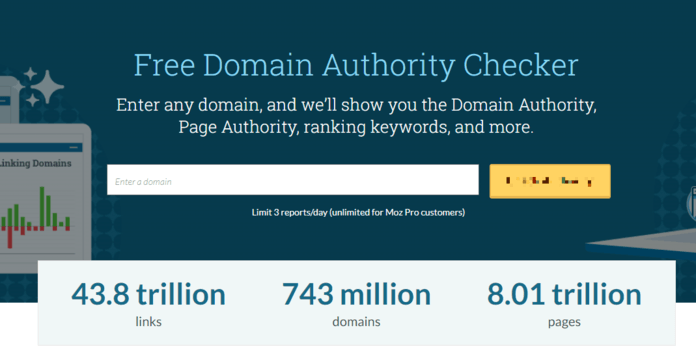
Su DA tiene en cuenta los siguientes factores a la hora de calcular su puntuación:
- Calidad de los enlaces entrantes
- Calidad del contenido
- Rendimiento SEO
- Señales sociales
Muchos de estos factores influyen en su rendimiento en los resultados de búsqueda, como los vínculos de retroceso y el contenido. Normalmente, si tienes un DA alto, estás en el buen camino para optimizar tu sitio web para los motores de búsqueda.
10. Enlaces externos
Herramienta: Consola de búsqueda de Google
Resumen: Los enlaces externos sirven como señal de confianza para los motores de búsqueda; contribuyen a reforzar la autoridad y la credibilidad de tu sitio web, lo que te ayuda a posicionarte mejor en los resultados de búsqueda.
Cómo mejorar: Ponte en contacto con sitios web líderes del sector para encontrar oportunidades de publicar artículos como autor invitado. Identifica los enlaces rotos en los sitios web de otros y ofrece un enlace a tu sitio web como sustituto. Crea contenido de gran valor al que otros quieran enlazar y consigue backlinks de forma natural.
A la hora de medir el rendimiento de SEO, es conveniente que examine sus vínculos de retroceso. Los backlinks son enlaces a su sitio web desde otras páginas con autoridad. Estos sitios web utilizarán texto de anclaje en una de sus páginas para enlazar a una página de su sitio.
Es importante tener en cuenta los vínculos de retroceso al realizar un seguimiento del rendimiento de SEO porque indican si estás creando contenido de valor y sustento. Ganar backlinks de sitios web de confianza y con autoridad indica a Google que creas contenido fiable e informativo.
En última instancia, esta señal de confianza le ayuda a posicionarse mejor en los resultados de búsqueda porque se convierte en una fuente de confianza en su nicho.
Nota: aunque puedes acceder a los datos de backlinks en Google Search Console, Google Search Console no incluye puntos de datos para evaluar completamente estos backlinks, como su autoritatividad.
¿Quieres saber quién tiene enlaces hacia tu sitio web? ¡Utiliza nuestro verificador de backlinks gratuito para averiguarlo!
Cómo empezar a hacer un seguimiento del rendimiento SEO
Comprender las métricas que utilizan los SEO para medir sus resultados es sólo el principio.
Lo siguiente es aprender a realizar un seguimiento de su rendimiento SEO:
1. Establezca sus objetivos
Antes de empezar a hacer un seguimiento del rendimiento del SEO y demostrar el valor de las campañas de SEO, debes fijar tus objetivos. Tus objetivos determinan qué aspectos debes supervisar en tu estrategia de SEO.
¿Qué quiere conseguir?
¿Quieres hacerlo?
- ¿Aumentar el tráfico?
- ¿Aumentar los ingresos?
- ¿Aumentar los clientes potenciales?
- ¿Aumentar las conversiones?
Determinar los objetivos de su campaña de SEO le ayudará a saber a qué métricas y KPI debe prestar atención cuando supervise su SEO.
2. Determine sus indicadores clave de rendimiento (KPI) y métricas
Antes de hacer un seguimiento del rendimiento del SEO, debes determinar qué se considera un éxito para tu empresa. Esto implica definir tus indicadores clave de rendimiento (KPI). Los KPI de SEO son los puntos de referencia que muestran si estás avanzando hacia los objetivos que definiste en el primer paso.
He aquí algunos ejemplos:
- Si tu objetivo es aumentar las conversiones, tu KPI puede consistir en hacer un seguimiento delas conversiones orgánicas
- Si tu objetivo es aumentar los ingresos, tu indicador clave de rendimiento (KPI) puede ser el seguimiento del valor del ciclo de vida del cliente (CLV)
- Si tu objetivo es reducir el gasto, tu indicador clave de rendimiento (KPI) puede ser el seguimiento del coste por adquisición (CPA)
Tenga en cuenta que los KPI y las métricas son diferentes. Las métricas sólo miden y controlan un proceso específico, mientras que los KPI tienen una visión más amplia. A menudo utilizarás un grupo colectivo de métricas para determinar si estás teniendo éxito con tus KPI.
3. Elija qué herramienta(s) desea utilizar para realizar un seguimiento de su SEO
Una vez que hayas definido tus objetivos y establecido tus indicadores clave de rendimiento (KPI), el siguiente paso es decidir qué herramientas utilizar. Invertir en herramientas de SEO te facilitará el seguimiento de tu rendimiento y te permitirá comprobar si estás alcanzando tus objetivos.
Hay docenas de herramientas disponibles en el mercado para ayudarle con su estrategia SEO. Puedes optar por invertir en una o utilizar unas cuantas herramientas que te ayuden a supervisar diferentes aspectos de tu campaña SEO.
Por defecto, debes configurar y utilizar Google Search Console y Google Analytics 4.
Hay herramientas adicionales que te permiten evaluar tu estrategia de SEO y detectar en qué aspectos debes mejorar, mientras que RevenueCloudFXpuede ayudarte a automatizar tareas, centralizar datos y mejorar tu estrategia.
Debe determinar qué herramientas desea utilizar para poder configurar los cuadros de mando y empezar a supervisar sus resultados de SEO.
4. Establezca su marco temporal
Ahora que todo está configurado, es el momento de establecer su marco de tiempo para el seguimiento SEO. Cuando pongas en marcha tu estrategia, asegúrate de darle tiempo para que genere resultados: los resultados SEO no son instantáneos.
Al principio, es posible que espere más tiempo para empezar a ver el rendimiento de su SEO porque tardará en surtir efecto. A medida que su campaña siga desarrollándose, podrá comprobarlo con más frecuencia.
Entonces, ¿con qué frecuencia debe supervisar sus resultados de SEO?
Cada negocio es diferente, pero la recomendación de nuestro equipo es comprobar su rendimiento SEO mensual y trimestralmente. Por supuesto, puede comprobar sus resultados SEO antes, especialmente si realiza cambios más importantes en el sitio.
Preguntas frecuentes sobre los resultados del SEO
Obtenga más información sobre el seguimiento SEO con estas preguntas frecuentes:
-
¿Qué significa rendimiento SEO?

El rendimiento SEO es la medición de la eficacia del SEO en la visibilidad orgánica y las métricas específicas del negocio, como los clientes potenciales o los ingresos generados. Puedes realizar un seguimiento del rendimiento SEO con herramientas gratuitas como Google Search Console y Google Analytics 4.
-
¿Cuánto tiempo se tarda en ver resultados con la SEO?
Si acaba de empezar a optimizar su sitio web para los motores de búsqueda, no espere ver resultados inmediatos. Se necesita tiempo para que el SEO surta efecto, lo que significa que debe esperar aún más tiempo para iniciar el seguimiento SEO.
Por lo general, conviene esperar al menos seis meses antes de medir los resultados de SEO.
Su estrategia de SEO puede empezar a mostrar resultados al tercer mes, pero esperar unos meses más puede darle una idea más clara. Ten en cuenta también que es posible que no veas resultados perfectos después de los primeros seis meses: a veces, el SEO puede tardar hasta un año en mostrar resultados.
-
¿Qué resultados de SEO puedo esperar de forma realista durante los primeros 3, 6 y 12 meses?
A continuación te ofrecemos una visión realista de lo que puedes esperar a lo largo de un periodo de 12 meses en materia de SEO:
Meses 1-3: Esta es la fase de puesta en marcha. Nos centramos en auditorías técnicas, investigación de palabras clave y optimizaciones iniciales en la página. Es posible que observes primeros indicios, como una mejora en el rastreo y la indexación, y un ligero avance en las palabras clave de cola larga, pero no es habitual que se produzcan cambios significativos en el tráfico.
Meses 3 a 6: Las iniciativas de SEO empiezan a dar sus frutos. Se esperan aumentos cuantificables en el tráfico orgánico, una mejora en el posicionamiento para palabras clave menos competitivas y los primeros clientes potenciales directamente relacionados con tus optimizaciones.
Meses 6-12: Es en esta fase cuando se empiezan a ver los resultados acumulados. Las posiciones en los rankings se estabilizan para las palabras clave más competitivas, el tráfico orgánico crece de forma constante y empiezas a observar conversiones significativas y de gran valor gracias a tus esfuerzos de SEO.
-
¿Cómo sabe si sus resultados de SEO son buenos?
Si está midiendo el SEO, querrá saber si sus resultados son buenos. Pero, ¿qué se considera "bueno"?
Los buenos resultados de SEO varían para cada negocio - depende de sus objetivos y lo que está tratando de lograr con su SEO. Si tu objetivo es aumentar las ventas, debes fijarte en las métricas que indican si estás alcanzando esos objetivos.
En general, su SEO es bueno si:
- Dirige tráfico de alta calidad a su sitio web
- Está bien posicionado para algunas de sus palabras clave objetivo
- Sus páginas tienen tiempos de permanencia largos
- Estás ganando un montón de backlinks de alta calidad
Estos son sólo algunos de los indicadores que pueden mostrar que sus resultados de SEO son buenos.
-
¿Qué herramientas puede utilizar para el seguimiento SEO?
Hay decenas de herramientas en el mercado que pueden ayudar a medir y supervisar el SEO. Muchas empresas utilizanGoogle Analyticsporque es gratuito y ofrece una gran cantidad de datos sobre el rendimiento de los sitios web.
Herramientas comoSEO Checkerpueden ayudarte a identificar problemas en tu estrategia de SEO que provocan un bajo rendimiento. Esta herramienta gratuita de auditoría SEO analizará minuciosamente tu sitio web para detectar problemas que afecten a tu posicionamiento en buscadores.
Google Search Consolete permite hacer un seguimiento de aspectos como la experiencia en la página, las posiciones en los resultados de búsqueda y los clics en las consultas de búsqueda. Es una herramienta gratuita que te ayuda a supervisar factores importantes que influyen en tu posicionamiento en los resultados de búsqueda.
Estas son sólo algunas herramientas gratuitas que puede probar para ayudarle a supervisar diferentes aspectos de su estrategia SEO.
-
¿Necesita realizar un seguimiento SEO continuo?
Sí.
El SEO es una inversión a largo plazo: no basta con ponerlo en marcha y olvidarse de él. Esta estrategia requiere una optimización y unos ajustes constantes para garantizar que obtengas el máximoretorno de la inversión (ROI). Por no hablar de que Google modifica continuamente su algoritmo de búsqueda, por lo que debes estar al tanto de esos cambios.
Por lo tanto, si quiere tener éxito con el SEO, debe realizar un seguimiento continuo del rendimiento del SEO para asegurarse de que está obteniendo los mejores resultados para su negocio.
-
¿Qué hago si mis resultados de SEO no son los deseados?
Ha dado tiempo a desarrollar su estrategia, ha empezado a hacer un seguimiento de los resultados y...
No es donde querías estar.
¿Y ahora qué haces?
El primer paso consiste en identificar los puntos débiles. Qué parte de tu estrategia SEO no está cumpliendo tus expectativas?
Si tiene un CTR bajo y una tasa de conversión baja, por ejemplo, puede que necesite revisar sus etiquetas de título y meta descripciones. Es posible que necesite optimizarlas para generar más clics y, en última instancia, aumentar su tasa de conversión.
Algunas de las herramientas mencionadas anteriormente, como SEO Checker y nuestralista de verificación de SEO gratuita, te ofrecerán sugerencias sobre lo que puedes hacer para mejorar.
Si aún tienes dudas, ¡nuestro equipo de expertos de SEO.com estará encantado de ayudarte!¡Ponte en contacto con nosotrospara ver cómo podemos ayudarte a mejorar tus resultados de SEO!
Comience hoy mismo a medir sus resultados SEO
Ya tiene toda la información sobre cómo medir los resultados de SEO, así que ahora es el momento de ponerse manos a la obra. Y recuerde, si se siente abrumado tratando de gestionar su estrategia de SEO y el seguimiento por su cuenta, nuestro equipo está listo para ayudar con servicios profesionales de SEO.
No falle en la prueba más importante de su sitio web
Obtenga gratis una puntuación SEO de su sitio web en menos de 30 segundos.


Servicios de SEO que no son "Cookie Cutter
Obtenga una estrategia SEO adaptada a su negocio, sector y objetivos de ingresos.
Servicios de SEO que no son "Cookie Cutter
Obtenga una estrategia SEO adaptada a su negocio, sector y objetivos de ingresos.
Escritores