





A conversion happens when a website visitor completes an action.
Now, a conversion doesn’t necessarily have to involve a transaction. Any action that moves a visitor closer to becoming a customer can be a conversion. For example, signing up for a newsletter could lead to clicking on a direct shopping link from a promotional email.
So, how do you get your audience to complete more actions like these?
Discover our top tips for improving conversion rates in 2026 and start making the most of your online presence!
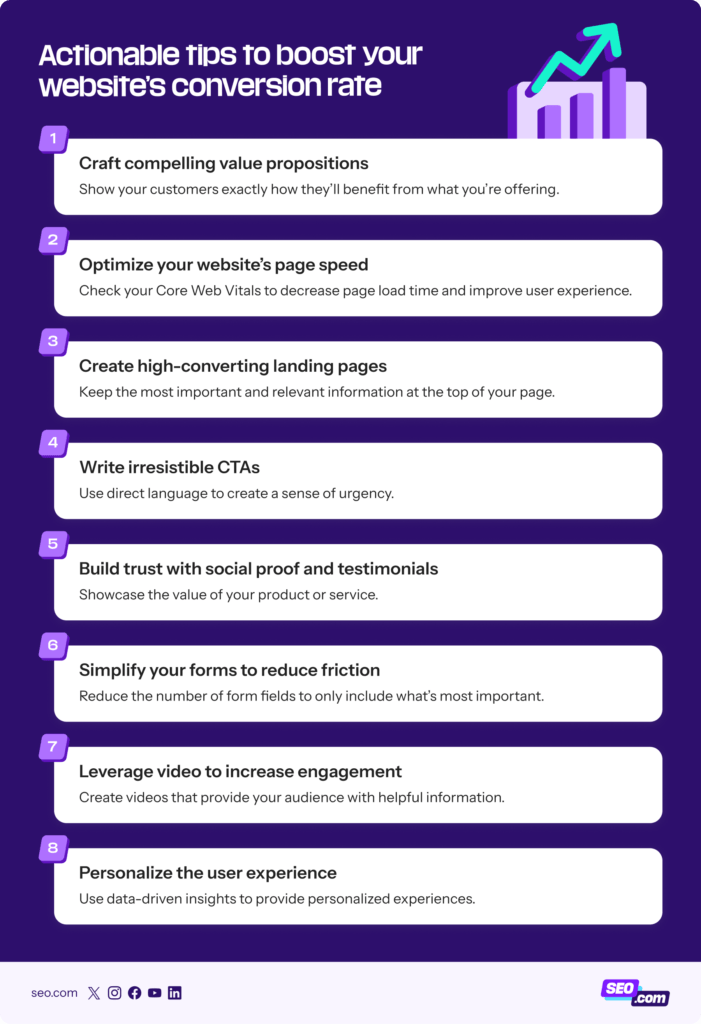
Actionable tips to boost your website’s conversion rate
Here are our top tips for improving conversion rates this year:
1. Craft compelling value propositions
The most important part of engaging with your audience online is offering them something meaningful, whether it’s information or an unmissable deal. Craft a compelling value proposition by showing your customers exactly how they’ll benefit from what you’re offering.
A key component of this is understanding your audience and what they desire. If you know they need a guide that helps them do something, you need to pitch the value of that guide to get them to download it.
Anytime you’re trying to earn more conversions, think about how to convey the value of what you’re offering, so they’re more likely to convert.
2. Optimize your website’s page speed
You’ve been there — trying to find information fast or book a service in a rush, only to face a page loading for ages. Increasing your site load speed is one of the most important aspects of improving conversion rates, since it impacts how people engage with your website.
A better user experience translates to more conversions because people stay longer. Longer dwell times means they’re more likely to download resources, purchase products, or contact your business.
Check your Core Web Vitals to spot opportunities where you can decrease page load time to improve user experience.
3. Create high-converting landing pages
A landing page is often someone’s first interaction with your business, so it’s essential to create a positive first impression. Ensure your landing page meets the visitor’s expectations and provides the information they’re expecting, based on what you had in your ad or social media post.
Avoid bounces by keeping the most important and relevant information at the top of your page and guiding readers through a smooth journey with calls to action (CTAs).
4. Write irresistible CTAs
An effective CTA should flow seamlessly from your already compelling copy. The best calls to action guide your visitors through the sales funnel and convert them into loyal customers.
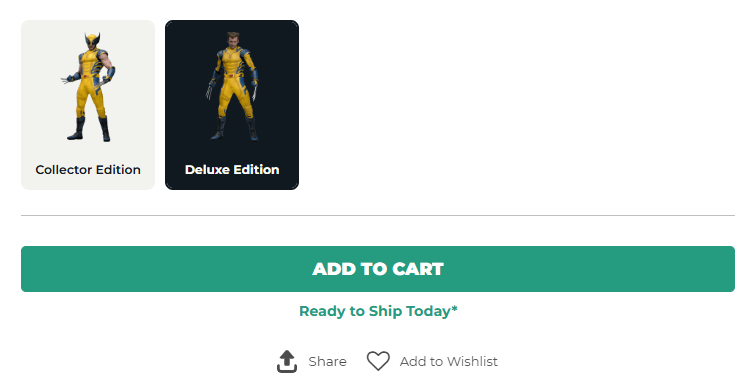
Writing engaging calls to action involves using direct language to create a sense of urgency. You want to be clear about what the next steps are and what your audience can expect if they take them.
Additionally, make sure your CTAs stand out on your page. You want to ensure your audience can easily locate them and be drawn to take action.
5. Build trust with social proof and testimonials
Social proof builds trust with your customers by showcasing the value of your product or service. Adding testimonials and customer reviews is a great way to highlight customer satisfaction.

Think like your customer for a second. Seeing other happy customers will show you that you can take a chance on a business. Proof points vary by product or service, so put yourself in your customer’s shoes to decide what’s most compelling.
You can share written testimonials, social posts, or videos people make to help build trust with your business.
6. Simplify your forms to reduce friction
While it can be tempting to get as much information about a potential customer as possible from a single visit, you also don’t want to overwhelm them. Keep data gathering simple by reducing the number of form fields to only include what’s most important for the next steps.
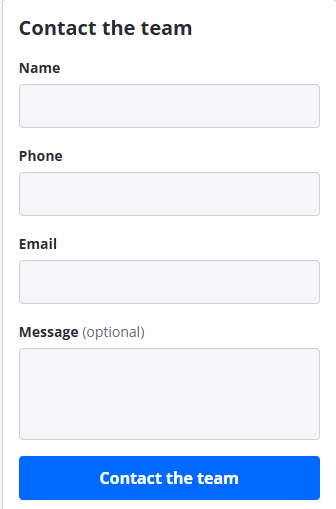
In fact, 27% of people cited forms being too long as a top reason for abandonment.
Remember, you can always gather more information later on in the process. Your goal early on is to provide a streamlined experience for any potential customer and capture them. Keeping it as simple as asking for a name and email address can be a good starting point.
7. Leverage video to increase engagement
Video marketing has become an essential part of any company’s digital strategy. A video on a product page can increase conversion rates by 86% and keep visitors engaged on your page for longer.
Not only that, but videos play a critical role in search performance, too. Google’s AI Overviews tend to pull videos in the search results and it often uses YouTube as a source for information. So, creating videos can have benefits to your search strategy conversions, too.
Have a complicated topic to explain? Use video to distill it down and make it engaging.
Need to say a lot but don’t want to write a super long blog post? Video can help you get the point across fast.
Try creating videos that provide your audience with helpful information, whether it’s about topics in your industry, your products, or services.
8. Personalize the user experience
Personalized experiences engage potential customers and increase conversion rates. A personalized CTA alone can boost conversions by 42% compared to generic alternatives.
Personalization isn’t just adding names to emails. It’s about delivering experiences that speak to your audience and resonate with their interests. Things like tailored landing pages and emails curated with information they care about most can help you deliver a better experience.
Use data-driven insights to provide personalized experiences that speak directly to your customers and their needs.
CRO metrics that help inform your performance
Improving conversion rates can be one of the most effective ways to move the financial needle in your business. But what does a good conversion rate look like and how can you measure it?
Conversion rates tend to fall around 2% to 5%, so it’s what you can aim for for your conversion rate. But, keep industry averages in mind, as it may sway the number higher or lower.
So, what metrics can inform your conversion performance? Here are a few you can consider:
- Bounce rate: Bounce rate is the number of visitors who leave your site after only one page visit. It’s a key indicator of user engagement on your website. If people leave right away, it could indicate an issue with your website that needs fixing.
- Time on page: How long a visitor stays on your site can also be a sign of engagement. However, combine this insight with others to discern whether their time spent reflects interest or inability to find what they need.
- Cart abandonment rate: When someone adds an item to their cart, but leaves the site soon after without completing their purchase, you can implement abandoned cart strategies to improve conversion rates.
- Click-through rate (CTR): This metric can tell you how many people are clicking to your website or clicking conversion points (CTA buttons, for example) on your website. If the click-through rate is high, but conversions are low, it could signal a disconnect you need to fix.
Optimize your conversions to earn more revenue
Are you ready to drive measurable results on your website? With expert CRO capabilities, you can drive more traffic to your website and convert more of those visitors into loyal customers.
When you partner with the team behind SEO.com (WebFX), you gain the expertise and experience of a team that knows how to help you drive more conversions.
Contact us online today to see how we can help you optimize your conversion rates to drive more leads and revenue!


Maximieren Sie Ihren Website-Traffic mit CRO
Fordern Sie ein individuelles Angebot an, um zu erfahren, wie eine kontinuierliche Test- und Benutzererfahrungsstrategie Ihrer Website zu besseren Ergebnissen verhelfen kann.
Maximieren Sie Ihren Website-Traffic mit CRO
Fordern Sie ein individuelles Angebot an, um zu erfahren, wie eine kontinuierliche Test- und Benutzererfahrungsstrategie Ihrer Website zu besseren Ergebnissen verhelfen kann.